Rough Fescue

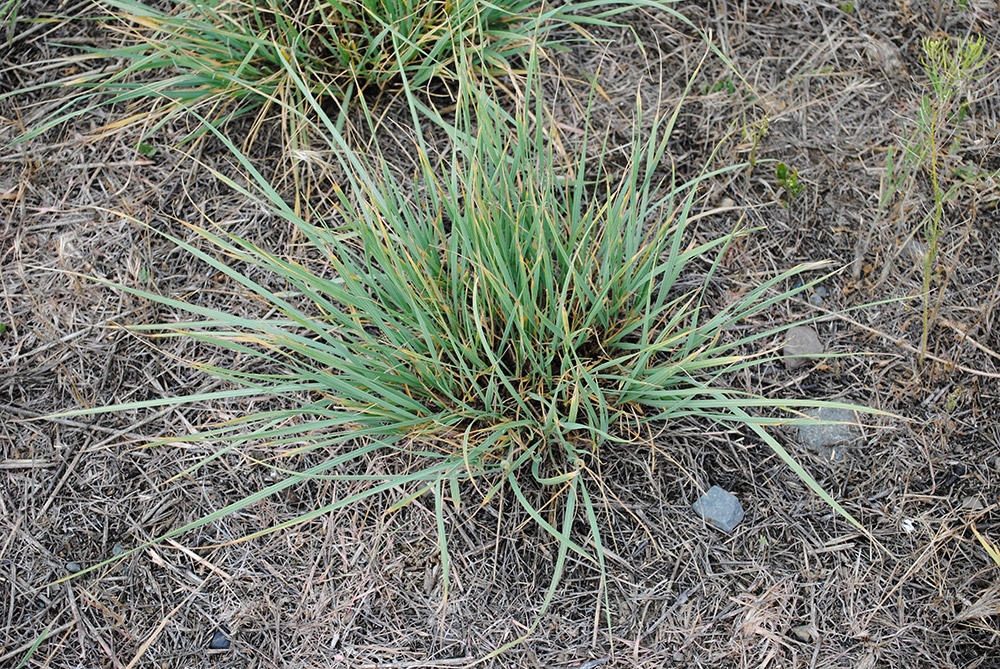
General Description

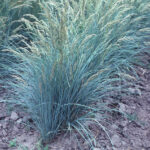
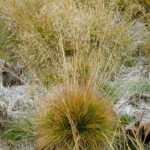
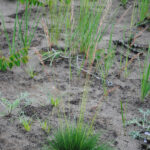
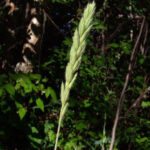
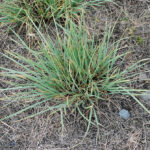
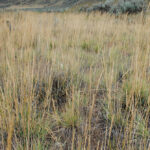
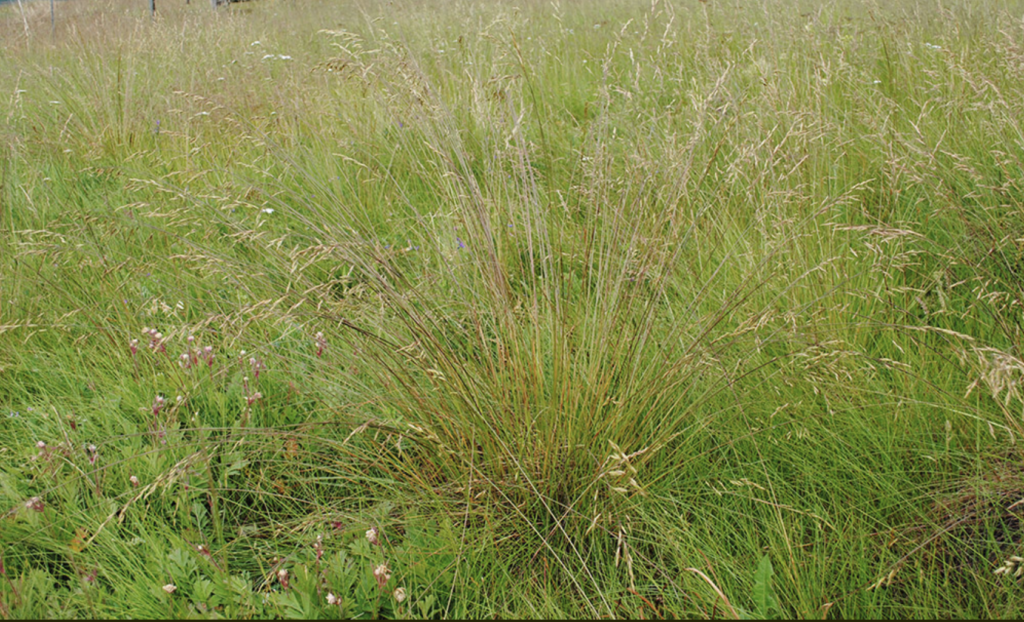
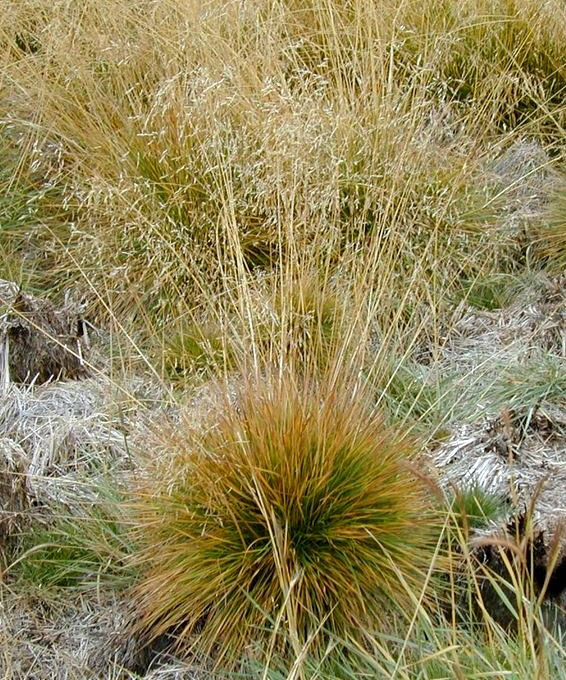
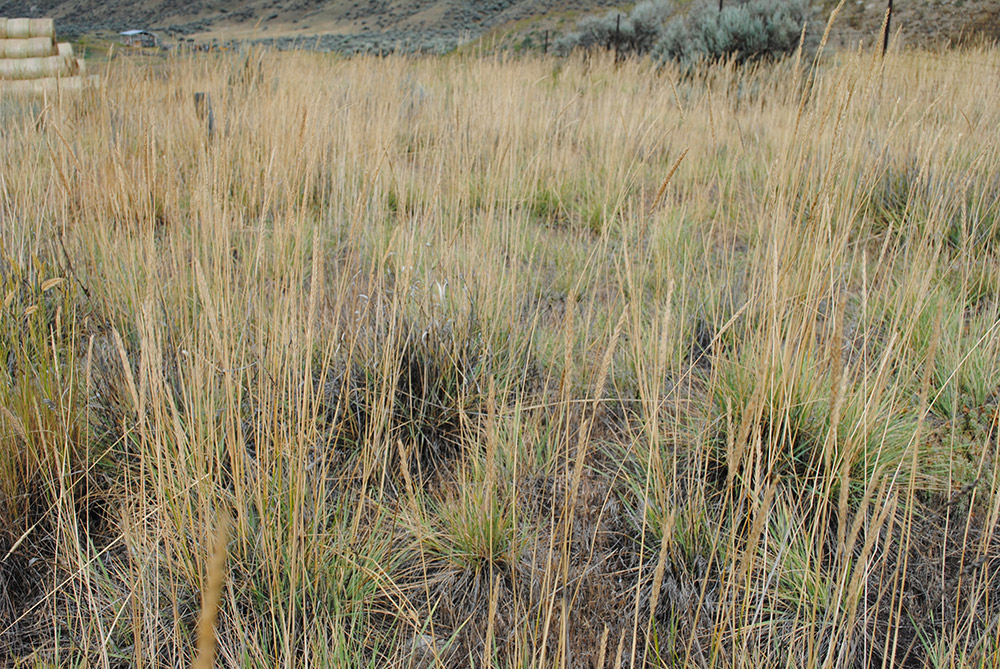
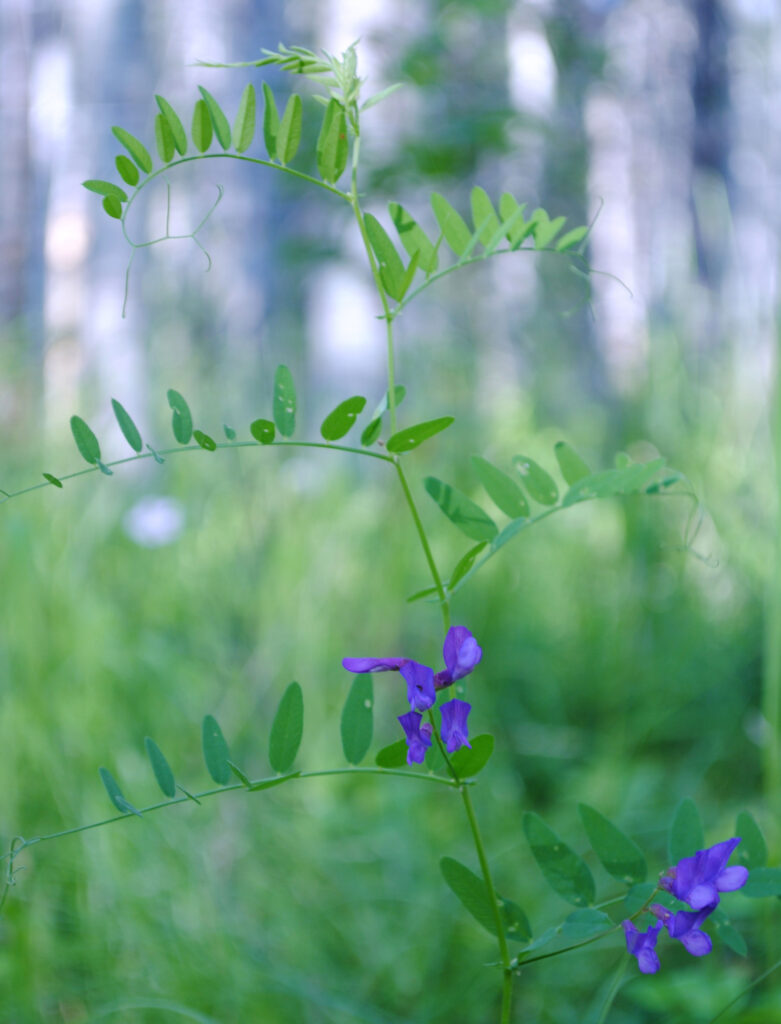
Rough fescue is a densely tufted, native perennial bunchgrass, an important component of British Columbia’s native grasslands (as it originates in B.C). The name rough refers to the rough edges of the leaves and stems. It has fibrous roots and is rarely rhizomatous. Plants spread from tufts growing at the edges of the crowns. Plains rough fescue (Festuca hallii) is found in the other provinces, however, is not included in Forage U-Pick as there has been very little success in establishing plants within seeded stands.


Type

Native grass.


Origin

Native to British Columbia.


Longevity

Long-lived.

Use

Restoration, grazing. Important forage for both wildlife and livestock. Used in grassland restoration and site rehabilitation.


Optimal Time of Use

Spring and fall. 


Recovery After Use

Rough fescue can be managed with proper utilization and periodic year-long rest. Continued defoliation during the latter part of the spring growth period can be detrimental to rough fescue.

Yield

One of the highest yielding of British Columbia’s native grasses. Yields on excellent condition grasslands where it is dominant average more than 1,100 kg/ ha (982 lb/acre) and can be as high as 2,700 kg/ha (2,411 lb/acre).


Palatability/Nutritional Value

Good palatability and is readily grazed and has different forage and palatability levels in different regions. It cures on the stem, but early frosts may interfere with the curing process.

Annual Precipitation min/max (mm)

305mm / 610mm.


Drought Tolerance

Low drought tolerance.


Flooding Tolerance

Low tolerance to flooding.


Winter Hardiness

Moderate winter hardiness. Rough fescue requires a frost-free period of at least 90 days.

Soil Texture Preference

Prefers medium- to coarse-textured soils.


Erosion Control

Can provide high protection from erosion once established. Slow establishment limits use in critical erosion control situations. 


Salinity Tolerance

No to low tolerance.


Acidity Tolerance

Low tolerance, can tolerate soil pH levels down to 6.


Alkalinity Tolerance

Low tolerance – up to pH 8.0.

Seeds per kg

600,000 seeds/kg (272,156 seeds/lb)


Suggested Mixtures

Rough fescue is suitable in a mixture with early- to mid-succession native species.


Ease of Establishment

Emergence is poor despite high germination rates. Rough fescue has moderate seedling vigour. Stand development is slow. Fourteen years after pipeline restoration in Alberta, seeded native fescue species cover is 50% of control sites.


Competitiveness

It is competitive when well established in naturally occurring native plant communities, however seeded stands struggle with establishment which results in low competitiveness.


Management Considerations

Grazing management is required for rough fescue to establish and persist.

BC Rangeland Seeding Manual, USDA Plants Database

Rough fescue is difficult to establish which limits practical application to restoration and reclamation applications where native species are desired in the upper elevation areas in the Bunchgrass zone, and in the Ponderosa Pine and Interior Douglas-fir zones.
Rough fescue is difficult to establish which limits practical application to restoration and reclamation applications where native species are desired in the upper elevation areas in the Bunchgrass zone, and in the Ponderosa Pine and Interior Douglas-fir zones.
Idaho Fescue

General Description

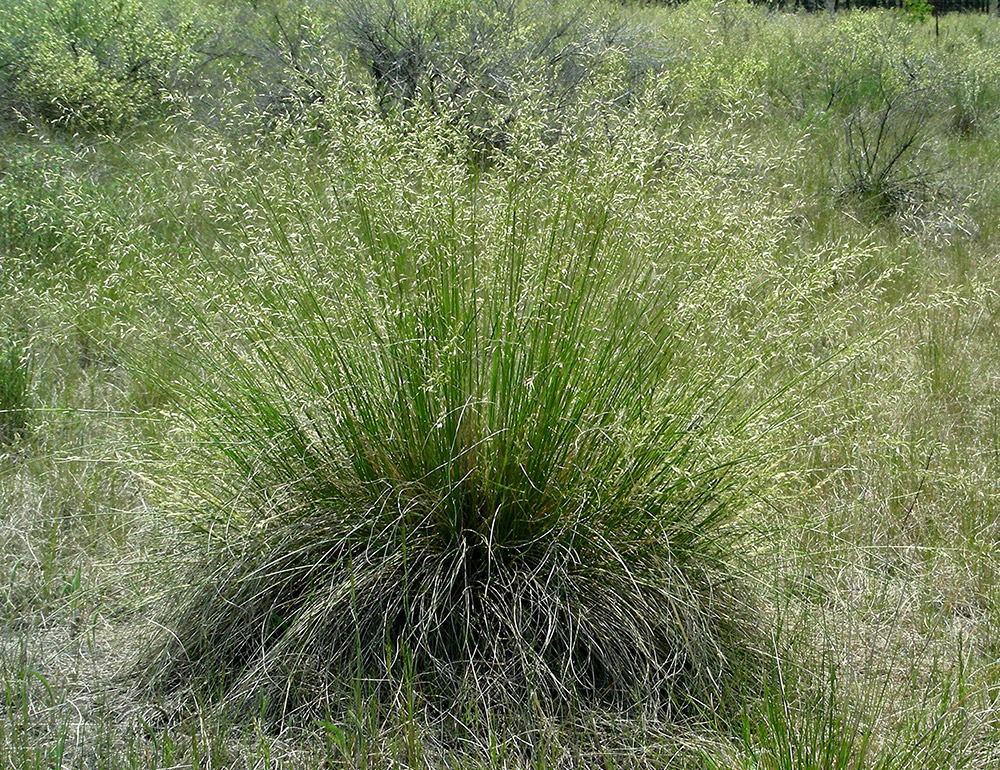
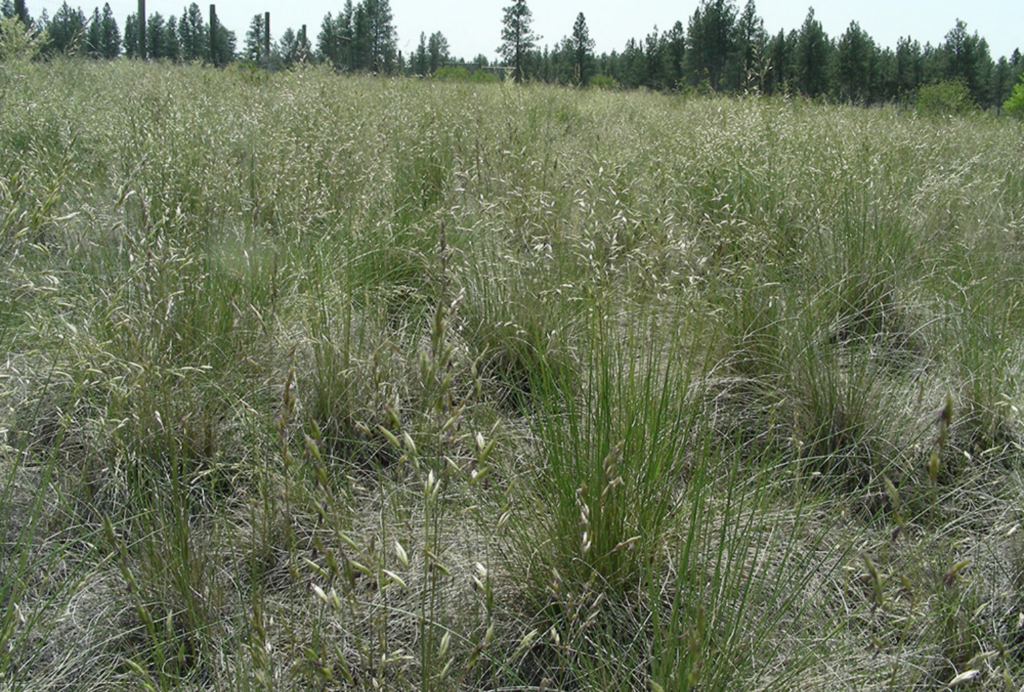
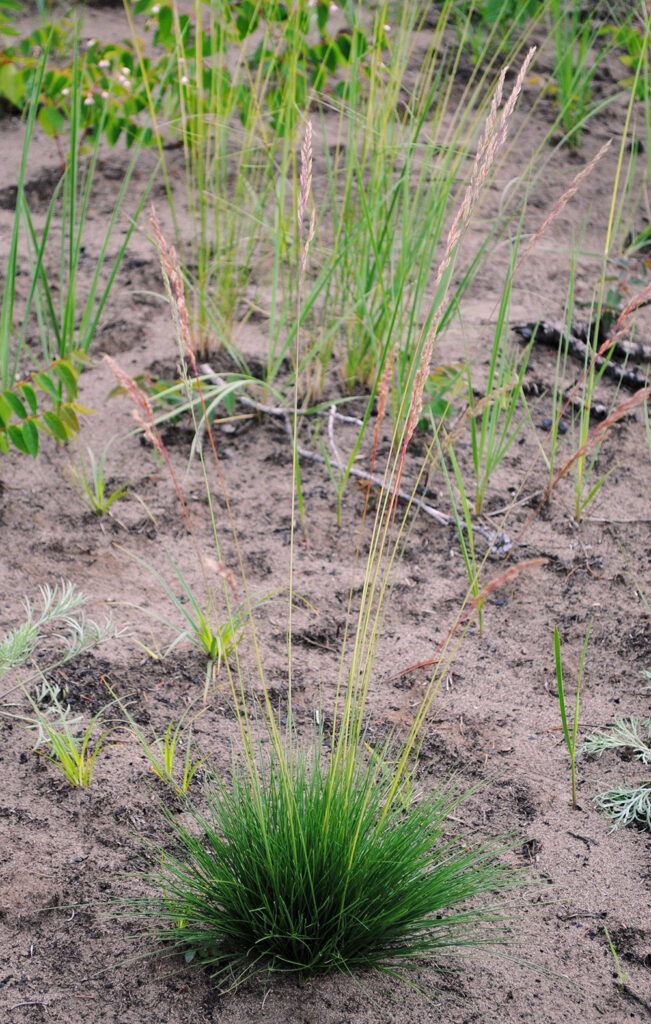
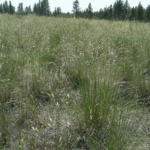
Idaho fescue is a densely tufted, native perennial bunchgrass. It is an important component of late successional upper grassland plant communities in southern British Columbia and is common throughout the U.S. Pacific Northwest. The recognition of Idaho fescue as a separate species is questioned by some authors, who consider it a variety of Festuca occidentalis (western fescue). However, it is closely related to the Festuca ovina complex and has long been identified as a separate species. 


Type

Native grass.


Origin

Western North America.


Longevity

Idaho fescue is long-lived.

Use

Reclamation, grazing. Idaho fescue is an important forage for livestock and native ungulates. It has some potential for rehabilitation and erosion control.


Optimal Time of Use

Idaho fescue can be grazed in all seasons. Most of its growth occurs in spring, but it cures well and is palatable to cattle and native ungulates well into fall. It is not preferred by sheep once it matures.


Recovery After Use

Idaho fescue can withstand grazing of up to 50% of its annual production, but it should not be grazed at the same time each year. It should not be grazed closer than 8 cm (3 in) to the ground. Complete rest every 2-4 years, or a lower level of utilization (30%) will help maintain vigour and range condition.

Forage production from the “Joseph” Idaho fescue cultivar was found to be greater than other fine fescues (e.g., “Durar” hard fescue and “Cascade” Chewing’s red fescue).

Palatability/Nutritional Value

Idaho fescue is considered excellent forage for cattle and good forage for sheep, maintains its forage value late into the season, and is good forage for native ungulates in winter.

Annual Precipitation min/max (mm)

305mm / 510mm


Drought Tolerance

Moderate drought tolerance. Idaho fescue is noted to have drought tolerance similar to that of hard fescue.


Flooding Tolerance

Idaho fescue is intolerant of flooding.


Winter Hardiness

High winter hardiness.

Soil Texture Preference

Prefers silt loam or sandy loam soils.


Erosion Control

Extensive root system makes it suitable for erosion control once established. 


Salinity Tolerance

Low tolerance, tolerates weakly saline conditions.


Acidity Tolerance

Low to moderate tolerance, tolerates pH down to 5.6.


Alkalinity Tolerance

Low to moderate, tolerates alkaline conditions up to pH 8.4.

Seeds per kg

192,777 – 208,652 seeds/kg (425,000 – 460,000 seeds/lb)


Suggested Mixtures

Normally recommended as a component in seed mixtures with other native species.


Ease of Establishment

Idaho fescue can be difficult to establish and requires 2–3 years to reach a mature stand phase. Germination can be variable, especially with native seed collections. Two cultivars of Idaho fescue (Joseph and Nezpurs) have been developed at the University of Idaho using 3 phases of phenotypic recurrent selection. The population base for the cultivars came from 89 native ecotypes collected from the northwestern U.S. and Canada. Both exhibit better germination and establishment characteristics than the source collections. Germination will be enhanced with drill seeding, but this may not be practical or desirable depending on the context. Late fall seeding is recommended.


Competitiveness

Moderately competitive once established. Does not compete well with aggressive introduced grasses.


Management Considerations

Idaho fescue decreases with overgrazing. Deferred grazing is beneficial for maintaining Idaho fescue and can provide late fall and winter forage for wildlife.

BC Rangeland Seeding Manual, USDA Plants Database

Idaho fescue is common in native grassland communities in the Southern Interior, and is suited for dryland range, restoration and reclamation at upper elevations in the Bunchgrass zone, and in the Ponderosa Pine and Interior Douglas-fir zones.

Big Bluegrass

General Description

Big bluegrass is a native, cool season, long-lived, perennial bunchgrass that matures early in the growing season. It is part of what is referred to as the Sandberg bluegrass complex, which includes 8 species, including big bluegrass, Canby bluegrass, slender bluegrass, Alkali bluegrass, Nevada bluegrass, Sandberg bluegrass, and pine bluegrass. The differentiating characteristics within this complex of species often vary with environmental factors, making distinguishing amongst them very difficult. Big bluegrass is the most robust of this collection and stands out for its large forage production and early spring growth. It has been used successfully for reseeding burned forest areas and is used by upland game birds for nesting.


Type

Native grass.


Origin

Big bluegrass is native to North America.


Longevity

The longevity of big bluegrass stands can exceed 30 years. This is partially due to seed shatter and the prolific “reseeding” of this plant species.

Use

Reclamation, grazing, hay. Upland game birds eat the seeds and use big bluegrass for nesting areas. It is also an important species for reseeding rangelands, stabilizing critical areas, reclaiming mine soils, and revegetating disturbed areas in aspen and conifer forests. Collections in Alaska have been used for erosion control, reclamation, and native plant community restoration.


Optimal Time of Use

Big bluegrass begins growing very early in the spring and up to 4 weeks earlier than crested wheatgrass. However, grazing on newly establishing stands should be deferred for 1 to 3 years.


Recovery After Use

Big bluegrass is considered an increaser species after grazing. It resists trampling very well as it goes dormant during summer and fall.

Within BC, forage production from big bluegrass varies, especially with rainfall and irrigation. Areas with at least 280 mm (11 in) of rainfall can yield 630 to 1,360 kg/ha (562 to 1,214 lb/acre).

Palatability/Nutritional Value

Palatable for livestock in spring and fall, for deer in the spring, and for elk in all seasons. As curing progresses over the summer, livestock preference for big bluegrass decreases.

Annual Precipitation min/max (mm)

255mm / 610mm


Drought Tolerance

Does not tolerate drought as well as other cool season grasses.


Flooding Tolerance

Although it will grow in moist conditions, it will not tolerate early spring flooding, poor drainage, or high water tables.


Winter Hardiness

Big bluegrass is rated with excellent cold tolerance, but this rating is from the lower Columbia Basin in the U.S. Pacific Northwest where winters are milder than in many parts of British Columbia.

Soil Texture Preference

Thrives on a variety of soil textures from moderately coarse sands to dense clays.


Erosion Control

Very little to moderate erosion tendency – Southern Interior.


Salinity Tolerance

Low tolerance.


Acidity Tolerance

Low tolerance. Can tolerate pH down to 6.0.


Alkalinity Tolerance

Low tolerance (up to pH 8.0). Not suited for seeding on alkali flats.

Seeds per kg

2,000,000 seeds/kg (926,000 seeds/lb)


Suggested Mixtures

Can be mixed with native fescues, wheatgrasses, and wildryes.


Ease of Establishment

Some varieties of big bluegrass shatter easily and grow from scattered seed, thus stands can improve and fill in over time. Cheatgrass can be a problem for establishment. Weeds such as Russian thistle and prickly lettuce are less problematic.


Competitiveness

Once established, big bluegrass, especially the Sherman variety, competes well with cheatgrass.


Management Considerations

When seeded with other native plants, big bluegrass is often a minor component of the mix. Management of the stand should consider major species in the mix and overall seeding objectives.

BC Rangeland Seeding Manual, USDA Plants Database

The big bluegrass type of Poa secunda appears to be rare in British Columbia. The type known as Sandberg bluegrass (also Poa secunda) is common. Big bluegrass is most suited for dryland range or pasture in the Bunchgrass, Ponderosa Pine and Interior Douglas-fir zones.
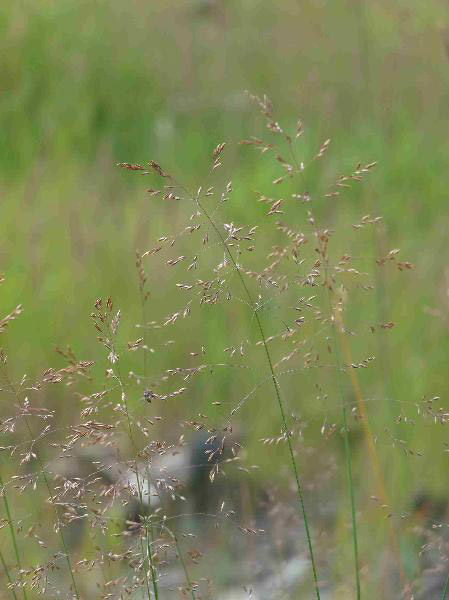
Tufted Hairgrass

General Description

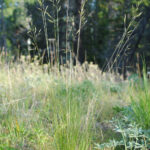
Tufted hairgrass is a short-lived, tufted, cool season, native perennial bunchgrass. Roots are shallow, fibrous, and dense. A mass of deep green leaves covers the crown. Densely tufted and with numerous stems, this native grass is found throughout British Columbia. Seed production is important for stand maintenance. It is valuable as a range grass and fairly resistant to close grazing. 


Type

Native grass.


Origin

North America.


Longevity

Generally considered a short-lived species.

Use

Reclamation, grazing. This highly variable species can adapt to stressful environments, and is often recommended for reclamation and rehabilitation projects.


Optimal Time of Use

Highly palatable, resistant to grazing, remains green throughout the summer, and good for pasture forage. Grazing should be deferred until the stands are established


Recovery After Use

High recovery if rotational grazing system is used. Despite this species’ resistance to grazing damage, it will decline with continuous season-long grazing.

Moderate

Palatability/Nutritional Value

Very palatable early in the season with up to 20% protein content in early May.

Annual Precipitation min/max (mm)

400mm / 600mm


Drought Tolerance

Low tolerance.


Flooding Tolerance

Adapted to seasonally flooded areas.


Winter Hardiness

High winter hardiness.

Soil Texture Preference

Can be found in a wide variety of soil types from fine to coarse.


Erosion Control

Sometimes used to stabilize stream banks, canals, and shorelines. Tolerates heavy metal contamination. 


Salinity Tolerance

Tufted hairgrass is generally considered to have low salinity tolerance; however, it grows in salt marshes and coastal estuaries so some tolerance to salinity is inferred.


Acidity Tolerance

High tolerance; tolerant of pH down to 3.5.


Alkalinity Tolerance

Low tolerance, up to pH 7.5.

Seeds per kg

3,600,000 seeds/kg (1,633,000 seeds/lb)


Suggested Mixtures

Native species with similar tolerances for reclamation. Where species diversity is a goal, mixtures with less than 0.3 to 0.6 kg/ha (approx.1/4 to 1/2 lb/acre) may be required as heavier rates will have high tufted hairgrass stand content.


Ease of Establishment

Tufted hairgrass may be slow to establish the first year but will establish with adequate moisture. Seed selected from high elevations may have higher dormancy and is likely to germinate better in fall seeding applications. Seeds selected from low elevations have lower dormancy and thus can be planted in the fall or spring. Specific selections are often required for extreme soil conditions.


Competitiveness

Tufted hair grass is considered moderately competitive as it can dominate if it is seeded too heavily in a mixture, and it can be a serious competitor with trees.


Management Considerations

Tufted hairgrass will decrease with continuous season long use. Spring grazing should be deferred in wet areas until soils are dry enough to prevent pugging and damage to plants.

BC Rangeland Seeding Manual, USDA Plants Database

Tufted hairgrass is adapted to moist draws and wet meadows in all zones in the region.

Tufted hairgrass is adapted to moist draws and wet meadows in all zones in the region.

Seeding Rate Calculator

Seeding Rate Calculator

Calculate the seeding
rate & seed cost

Rocky Mountain / Alpine Fescue

General Description

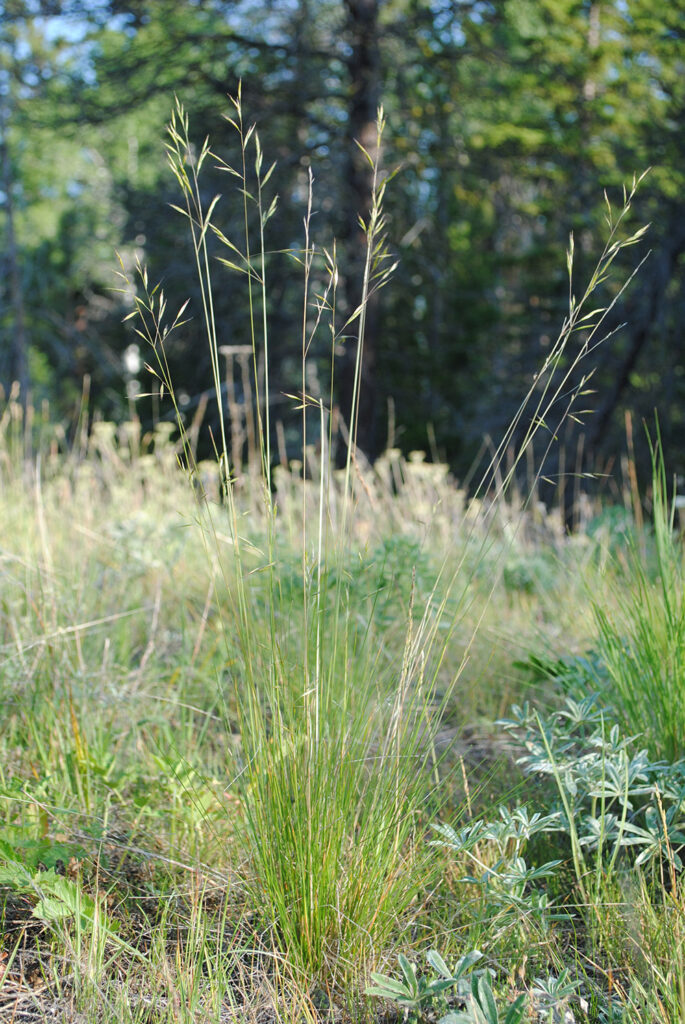
Rocky Mountain fescue is a densely tufted, low-growing, perennial bunchgrass with dense fibrous roots. Alpine fescue is very similar in growth habit but slightly shorter in stature. Both are cool season native grasses. There has been some variety development research in the last 10 years by Alberta Research Council researchers in Vegreville, Alberta. 


Type

Native grass.


Origin

Western North America.


Longevity

Long-lived.

Use

Reclamation, grazing. Used in reclamation mixes as a pioneer species in harsh environments. Also used for erosions control and for restoring Rocky Mountain sheep habitat. Also appropriate for grassland restoration.


Optimal Time of Use

Early spring and early summer, but also late fall.


Recovery After Use

Where Rocky Mountain fescue is a co-dominant in late successional grasslands, in the Interior Douglas-fir zone it decreases with overgrazing. At higher elevations, Rocky Mountain fescue and Alpine fescue can remain in mid-successional grazed alpine plant communities.

Less palatable than Idaho fescue and low forage production but important forage for wildlife. Stays green until late fall. Has also been reported to be fairly good forage for livestock.

Palatability/Nutritional Value

Palatability is low but an important source of food for Rocky Mountain sheep and for elk in spring and summer.

Annual Precipitation min/max (mm)

350mm / 700mm


Drought Tolerance

Both are drought tolerant and are noticeably absent from wetter areas.


Flooding Tolerance

Low tolerance.


Winter Hardiness

High tolerance

Soil Texture Preference

Prefers well drained sandy to loam soils.


Erosion Control

The fibrous roots of these grasses and their adaptation to sandy, gravelly, infertile soils make them useful for erosion control and rehabilitation of disturbed sites. 


Salinity Tolerance

No to low tolerance.


Acidity Tolerance

Low to moderate tolerance.


Alkalinity Tolerance

Unknown.

Seeds per kg

1,041,000 seeds/kg (472,190 seeds/lb)


Suggested Mixtures

Best blended with junegrass, alpine bluegrass, or other native species.


Ease of Establishment

Germinates better in cooler soils. Use narrow spacing if drill seeding. Seed early in spring. Suggested seeding depth is 0.6 to 1.2 cm (1/4 to 1/2 in).


Competitiveness

Rocky Mountain fescue has low competitiveness which lends itself to be most compatible with other native species.


Management Considerations

Clear site of all weeds prior to seeding, as these species are not overly competitive.

BC Rangeland Seeding Manual, USDA Plants Database

Rocky Mountain fescue is found in some of the native grassland communities in the Interior-Douglas-fir zone in southern part of the Central Interior region. Alpine fescue is not adapted to the zones identified for the Central Interior region.

Rocky Mountain fescue is common, but not tyically dominant in the native grassland communities in Interior-Douglas-fir zone. Alpine fescue is not adapted to the Bunchgrass, Ponderosa Pine, Interior Douglas-fir and Interior-Cedar-Hemlock zones.

Rocky Mountain fescue is found on drier rocky slopes and ridges at higher elevation in the Peace-Liard region (Boreal White and Black Spruce zone), but it is less common than in the BC interior regions. 

Seeding Rate Calculator

Seeding Rate Calculator

Calculate the seeding
rate & seed cost

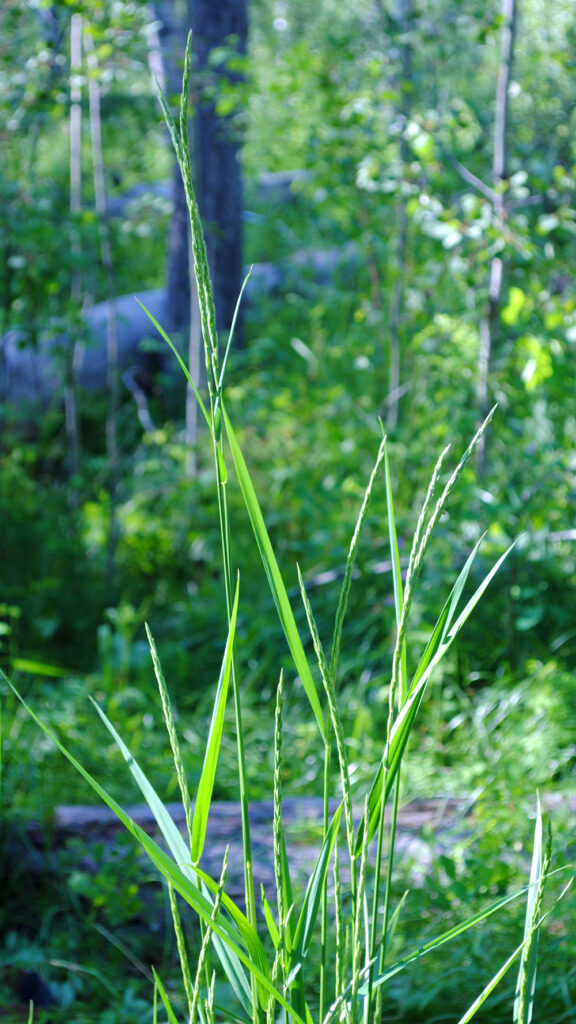
Fuzzy-spiked (Hairy) Wildrye

General Description

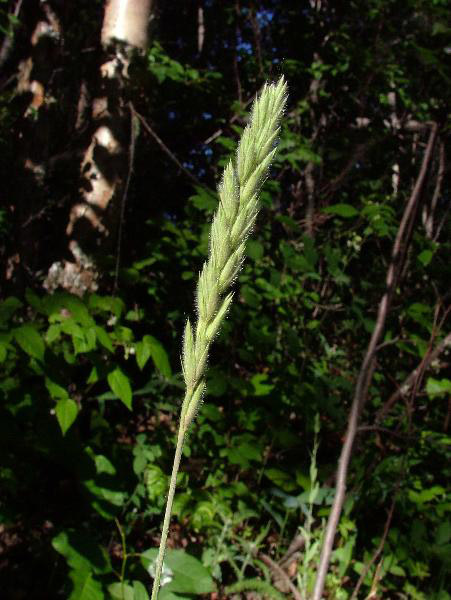
Fuzzy-spiked wildrye is sometimes called hairy wildrye, but is a different species than Elymus hirsutus, which is also commonly called hairy wildrye. Fuzzy-spiked wildrye is a tall, cool season, perennial tufted grass that is adapted to a wide range of soil conditions. It is sod-forming with a deep spreading root system and creeping scaly rhizomes. It is often used for native species site rehabilitation, as its rapidly spreading rhizomes are good for erosion control. 


Type

Native grass.


Origin

Fuzzy-spiked wildrye is native to North America.


Longevity

Fuzzy-spiked wildrye is considered short lived (i.e., 3-8 years).

Use

Reclamation, grazing. An important native component to open forests, disturbed sites, and rangelands. It provides important winter forage for mountain sheep in the northern region.


Optimal Time of Use

Summer and fall for livestock, and winter for wildlife.


Recovery After Use

Most suited to one grazing per season.

Palatability/Nutritional Value

Only fair palatability due to its coarse rough foliage. However, recent studies suggest cattle show good gains in pastures where fuzzy-spiked wildrye is prominent.

Annual Precipitation min/max (mm)

400mm / 900mm


Drought Tolerance

High drought tolerance.


Flooding Tolerance

Some flooding tolerance (i.e., 1-2 weeks in spring).


Winter Hardiness

As native a species, it is winter hardy where it is adapted.

Soil Texture Preference

Commonly found on sandy and gravelly textured soils.


Erosion Control

Rapidly spreading rhizomes make this species useful for controlling erosion when established.


Salinity Tolerance

Moderate tolerance.


Acidity Tolerance

Moderate tolerance.


Alkalinity Tolerance

Low tolerance.

Seeds per kg

577,000 seeds/kg (261,723 seeds/lb)


Suggested Mixtures

Fuzzy-spiked wildrye can be used in mixtures with other native species where this is the objective or adapted agronomic grasses.


Ease of Establishment

Fuzzy-spiked wildrye can be hard to grow from seed as germination can be low. Apply your specific seedlots germination to any seeding rate calculations.


Competitiveness

Variable with site conditions.


Management Considerations

Can be an increaser or decreaser species, depending on the site.

BC Rangeland Seeding Manual, USDA Plants Database

Fuzzy-spiked wildrye is common in native plant communities of the Peace-Liard region, and is often found in moist to dry meadows, grassy slopes and open forests.

Seeding Rate Calculator

Seeding Rate Calculator

Calculate the seeding
rate & seed cost

Fowl Bluegrass

General Description

Fowl bluegrass is a loosely tufted, low growing, native, cool season, perennial bunchgrass. It is commonly a minor component in native grass seed mixes. It has fibrous roots and a tufted bunchgrass growth habit, but can form a weak sod. 


Type

Native grass.


Origin

Native to British Columbia.


Longevity

Moderate, 5-10 years.

Use

Reclamation. Used as a minor component in native grass reclamation mixes and is considered an early- to mid-successional species. It has forage value and is used in pastures by both wildlife and livestock, where moisture is sufficient. The Chipewyan used fowl bluegrass to make vaccines or allergens to treat hay fever and to make hair rinses to revitalize hair.


Optimal Time of Use

Early in the spring.


Recovery After Use

Slow recovery after clipping or grazing. This species can be either an increaser or a decreaser after grazing, depending on site conditions.

Palatability/Nutritional Value

Fowl bluegrass is noted to have low protein and low palatability for both browsing and grazing animals.

Annual Precipitation min/max (mm)

450mm / 570mm


Drought Tolerance

Low drought tolerance.


Flooding Tolerance

Although fowl bluegrass has a low tolerance to flooding, it is sometimes considered a wetland species indicator.


Winter Hardiness

Fowl bluegrass can tolerate temperatures as low as -38°C.

Soil Texture Preference

Adapted to medium-textured or loam soils to fine-textured or clayey soils.


Erosion Control

Has moderate value for use in erosion control.


Salinity Tolerance

Low tolerance.


Acidity Tolerance

High tolerance, found on soils with pH as low as 4.9.


Alkalinity Tolerance

Low tolerance, found on soils up to pH 7.5.

Seeds per kg

6,957,000 seeds/kg (3,155,656 seeds/lb)


Suggested Mixtures

Suitable for use with other native species.


Ease of Establishment

Fowl bluegrass has moderate seedling vigour. Seeds per gram should be verified when calculating seeding rate, as the seed weights reported in literature varied from 4.187 to 6.957 million seeds per kilogram.


Competitiveness

Moderately competitive where it is adapted.


Management Considerations

Several species of native bluegrasses including fowl bluegrass can cause problems for pedigreed seed growers as these species are difficult to clean out of other grass seed crops.

BC Rangeland Seeding Manual, USDA Plants Database

Fowl bluegrass is found in all zones in the Central Interior region, but in the southern part of the the region it is best adapted to moist transitional areas in the Interior Douglas-fir zone.

Fowl bluegrass is found in all zones in the region, but is best adapted to moist transitional areas in the Interior Douglas-fir and Interior Cedar-Hemlock zones.

Fowl bluegrass is common in native plant communities of the Peace-Liard region. It can be highly competitive and persistent. This has caused problems for local seedgrowers who need to keep fields clean for other forage seed crops.

Seeding Rate Calculator

Seeding Rate Calculator

Calculate the seeding
rate & seed cost

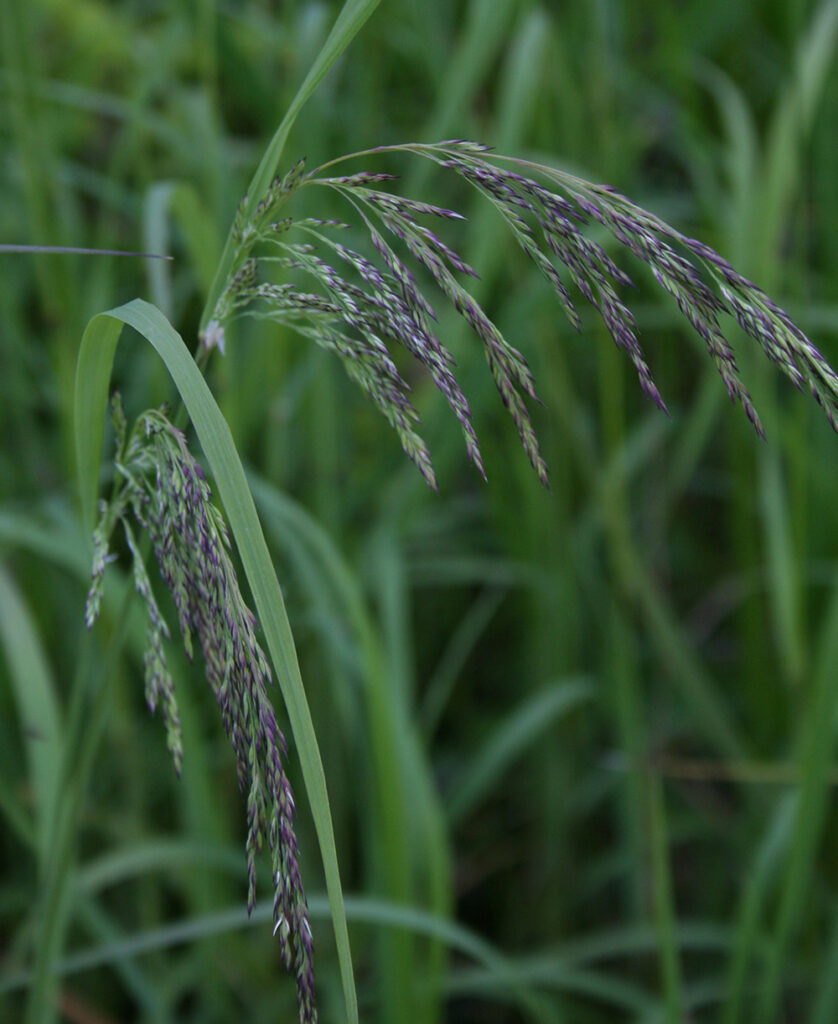
Bluejoint Reedgrass

General Description

Bluejoint reedgrass is a robust, hardy, tall, tufted, perennial grass native to boreal forests. It gets its name from the purplish-blue nodes on its stems, and is also referred to as Canada bluejoint grass, reedgrass, marsh reedgrass, and Scribner’s reedgrass. It provides good spring forage for livestock and native ungulates. When harvested as livestock feed from wet meadows that contain significant amounts of bluejoint reedgrass, it is referred to as “beaver grass.” 


Type

Native grass.


Origin

Native to boreal forests in northern Canada.


Longevity

Long-lived.

Use

Forage, revegetation, erosion control, and wildlife habitat.


Optimal Time of Use

Spring. 


Recovery After Use

Decreases after heavy grazing and trampling in some areas. Otherwise, bluejoint is an increaser species and it readily reproduces through rhizomes and seed.

Palatability/Nutritional Value

Fair nutritional quality that is generally higher in early spring. Livestock generally avoid the coarse stems but will eat the large leaves.

Annual Precipitation min/max (mm)

360mm / 1650mm


Drought Tolerance

Can be very drought tolerant once established.


Flooding Tolerance

Grows well on wet soils and has high tolerance to flooding.


Winter Hardiness

High winter hardiness.

Soil Texture Preference

Often found on fine-textured soils with good water holding capacity but can be found on sandy soils with high water table. Prefers very moist to wet soils with a moderate nutrient regime.


Erosion Control

Rhizomes spread quickly in disturbed areas, and bluejoint can speed up recovery of soil properties like bulk density, organic matter content, and porosity. It has been used to lower water tables, but its competitive effect may outweigh the benefits. Bluejoint has been used to stabilize streambanks, filter runoff, increase evapotranspiration to reduce flooding, rehabilitate wetlands, and revegetate oil spills (Sourdough variety). However, if the ultimate objective is to return to natural spruce regeneration, special management of bluejoint’s highly competitive nature will be required.


Salinity Tolerance

Can tolerate mildly brackish water.


Acidity Tolerance

High tolerance. prefers pH levels of 5.0 to 5.9 and will tolerate pH down to 4.5.


Alkalinity Tolerance

Low tolerance; up to pH 8.0.

Seeds per kg

5,000,000 seeds/kg (2,270,000 seeds/lb)


Suggested Mixtures

Sometimes mixed with other grasses and legumes to reduce the competitiveness of bluejoint.


Ease of Establishment

Establishes easily from wind-blown seed or from extensive underground rhizomes. Adequate site preparation, i.e., mineral soil disturbance, is required for seeding.


Competitiveness

Can be highly competitive; mechanical or chemical control is required to control heavy swards to successfully establish tree seedlings.


Management Considerations

Proactive management is required to limit bluejoint spread in some situations. Careful scalping or large inverted mounds are mechanical controls that have been tried. Herbicides and replacement vegetation might be considered depending on the situation and management objectives. Sheep grazing with 2 grazing passes has also been used for successful control of bluejoint in the first season of tree establishment.

BC Rangeland Seeding Manual, USDA Plants Database

Bluejoint reedgrass is most adapted to the to Sub-Boreal Spruce zone in the Central Interior region.

Bluejoint is common in the native plant communities of the Peace-Liard region, often found around bogs, and in moist meadows, clearings and open forest.

Seeding Rate Calculator

Seeding Rate Calculator

Calculate the seeding
rate & seed cost

Blue Wildrye

General Description

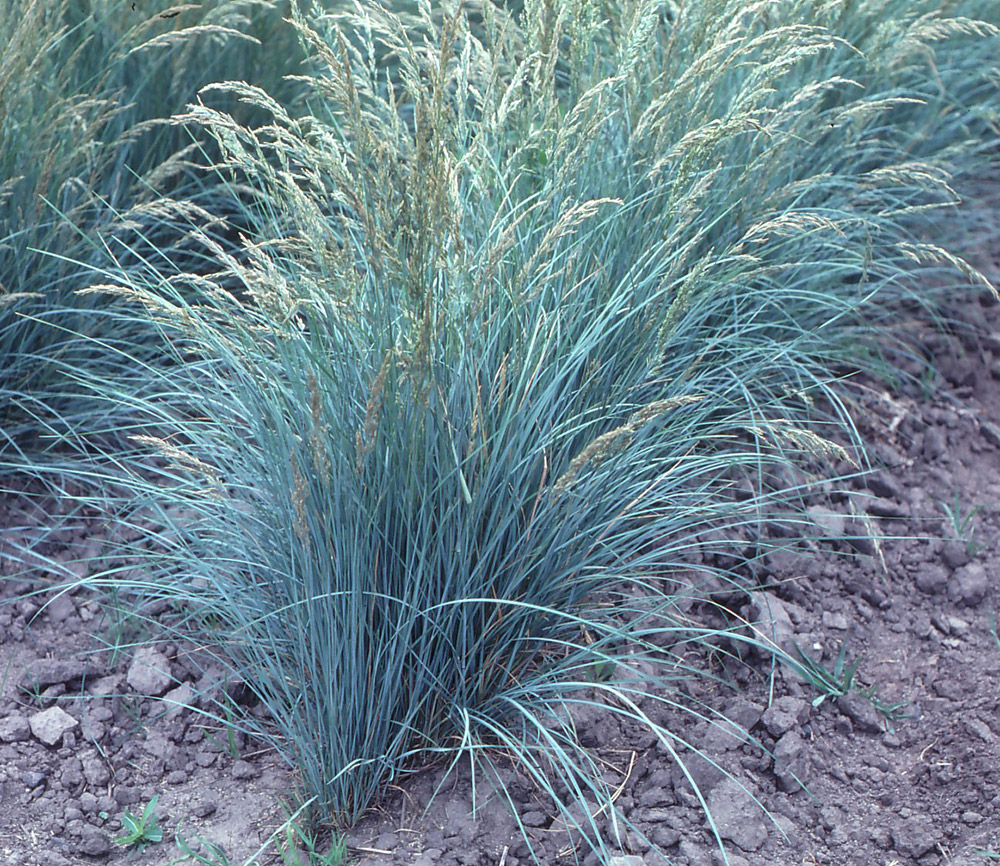
Blue wildrye, also known as smooth wildrye, is a bluish-green, tall, tufted, native cool season perennial grass. The root system is fibrous and may have short rhizomes. The plant forms small tufts of a few stems between 50 to 150 cm (20 to 59 in) tall. The stems have a waxy covering that contribute to the plant’s bluish-green colour and name. 


Type

Native grass.


Origin

Blue wildrye is native to North America.


Longevity

Blue wildrye is considered short lived (i.e., 3–8 years).

Use

Native revegetation of disturbed or burned areas, erosion control for steep slopes. Wildlife habitat for mammals and birds.


Optimal Time of Use

Summer and fall.


Recovery After Use

Does not tolerate heavy grazing. Close grazing in spring eliminates a stand of blue wildrye within 3 to 5 years.

Palatability/Nutritional Value

Most palatable to wildlife and livestock in the early part of the season. Forage value declines with maturity. This grass is not readily eaten after the seed heads are formed.

Annual Precipitation min/max (mm)

400mm / 1500mm


Drought Tolerance

Varies with ecotype. Some are adapted to dry grassland sites.


Flooding Tolerance

Low flooding tolerance but will tolerate somewhat poorly drained soils (i.e., saturated less than one week in the spring).


Winter Hardiness

Variable with ecotype.

Soil Texture Preference

No preference.


Erosion Control

A pioneer species with hardy fibrous root system has some value in erosion control especially on steep sites with coarse soils. 


Salinity Tolerance

Low tolerance.


Acidity Tolerance

Low to moderate tolerance. Will tolerate pH down to 5.8.


Alkalinity Tolerance

Low to moderate tolerance. Will tolerate pH up to 8.5.

Seeds per kg

219,000 seeds/kg (99,337 seeds/lb)


Suggested Mixtures

Should be included in a mixture for revegetation seedings.


Ease of Establishment

Can be easy to establish.


Competitiveness

Considered highly competitive as it has high seedling vigour, establishes rapidly, and has good ground protection. It is also a good seed producer and reseeds readily.


Management Considerations

Cultivars and selected varieties have been developed. The genetic source should be identified before application. There is wide variation in this species and outcrossing with local populations is possible.

BC Rangeland Seeding Manual, USDA Plants Database

Blue wildrye is common in transitional areas in the Sub-Boreal Spruce, Sub-Boreal Pine-Spruce, and Interior Douglas-fir zones.

Blue wildrye is most suited for dryland range, pasture or reclamation where native species are desired in transitional areas in the Ponderosa Pine and the Interior Douglas-fir zones and in the Interior Cedar-Hemlock zones. An awnless type was successfully established in a trial in the semi-arid part of the Bunchgrass zone near Kamloops.

Blue wildrye is found in the native plant communities of the Peace-Liard region (Boreal White and Black Spruce zone) but it is less common than in the Central Interior BC zones.

American Vetch

General Description

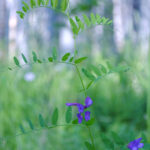
American vetch is a long-lived, cool season, native perennial legume. It has climbing or trailing tendrils; the name vicia is from the Latin vincio meaning to bind or climb. It is commonly found throughout British Columbia. Its common names include American vetch, wild vetch, stiff-leaf vetch, and wild pea. Currently recognized subspecies are Vicia americana ssp. americana and Vicia americana ssp. minor Hook. 


Type

Native legume.


Origin

Native to North America.


Longevity

Long-lived.

Use

Reclamation, pasture. American vetch is used as a nitrogen-fixing cover crop, as a legume in native seed mixtures for revegetating disturbed areas, and for wildlife and livestock grazing. First Nations used the leaves for poultices, and the pods and seeds for food.


Optimal Time of Use

Summer.


Recovery After Use

Not tolerant to heavy or continuous grazing; decreases with overgrazing.

Palatability/Nutritional Value

Low yielding but valuable forage for grazing both wildlife (mule deer, grizzly bear, black bear, small mammals, game birds) and livestock (cattle, sheep, horses).

Annual Precipitation min/max (mm)

230mm / 1270mm


Drought Tolerance

High tolerance.


Flooding Tolerance

Is not tolerant of saturated soils or flooding.


Winter Hardiness

Considered winter hardy where it is adapted in the lowland, steppe, and montane zones.

Soil Texture Preference

Prefers fine or clay soils to medium-textured or loamy soils. It prefers moist to dry soils and full sun.


Erosion Control

Some erosion control value if established.


Salinity Tolerance

No tolerance to moderate tolerance. Ecotype variance should be expected.


Acidity Tolerance

Low tolerance, tolerates pH levels down to 5.9.


Alkalinity Tolerance

Low tolerance, up to pH 7.2.

Seeds per kg

72,230 seeds/kg (32,763 seeds/lb)


Suggested Mixtures

In pasture situations, can be mixed with a taller-growing grass or fall rye so that it can climb. Should be mixed with other suitable native species for native plant community restoration, or where native species are desired.


Ease of Establishment

Scarification (scratching or etching) of the seed will decrease the germination time from 14 to 7 days but will not improve overall germination. Spring or fall seeding. Low seedling vigour.


Competitiveness

Can be very competitive in some environments.


Management Considerations

Managed grazing is required to maintain American vetch in the plant community.

BC Rangeland Seeding Manual, USDA Plants Database

American vetch is common in deciduous forests in the Sub-Boreal Spruce and Sub-Boreal Pine-Spruce zones. In the southern part of the region it is found with trembling aspen in the Bunchgrass zone and in deciduous forests in the Interior Douglas-fir zone.

American vetch is common in fescue grasslands (upper elevation Bunchgrass) and deciduous forests in the Interior Douglas-fir zones.
American vetch is found in native plant communities throughout the Peace-Liard region, common in meadows and open forest.
Seeding Rate Calculator

Seeding Rate Calculator

Calculate the seeding
rate & seed cost