Altai Wildrye

General Description

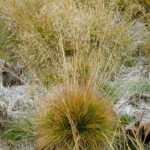
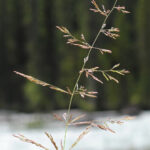
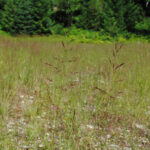
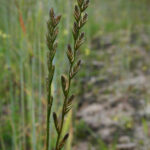
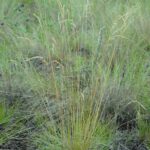
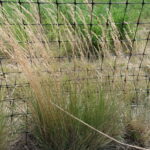
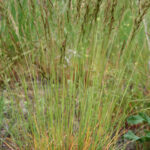
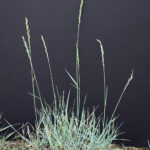
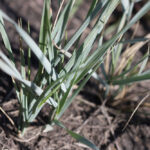
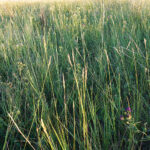
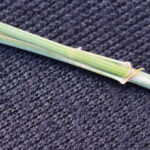
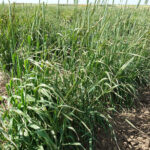
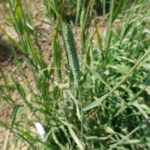
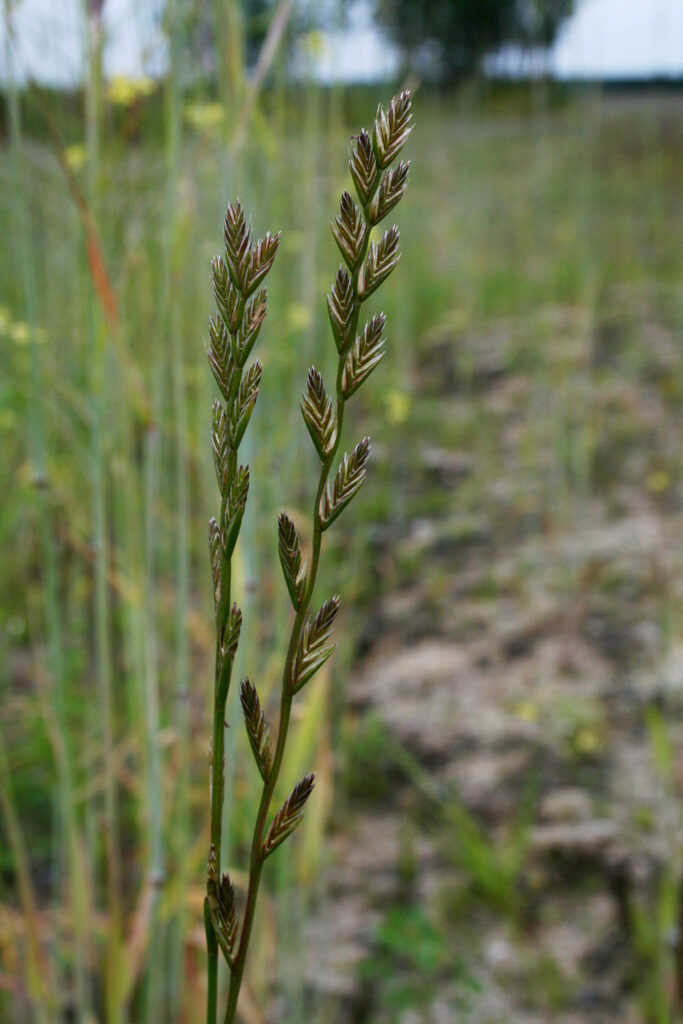
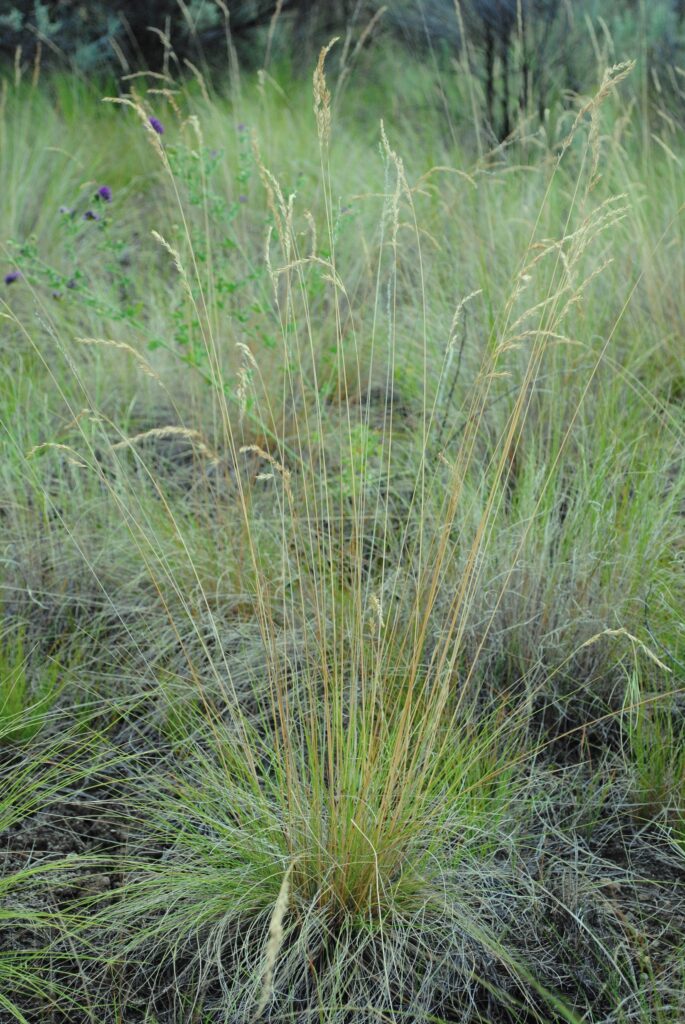
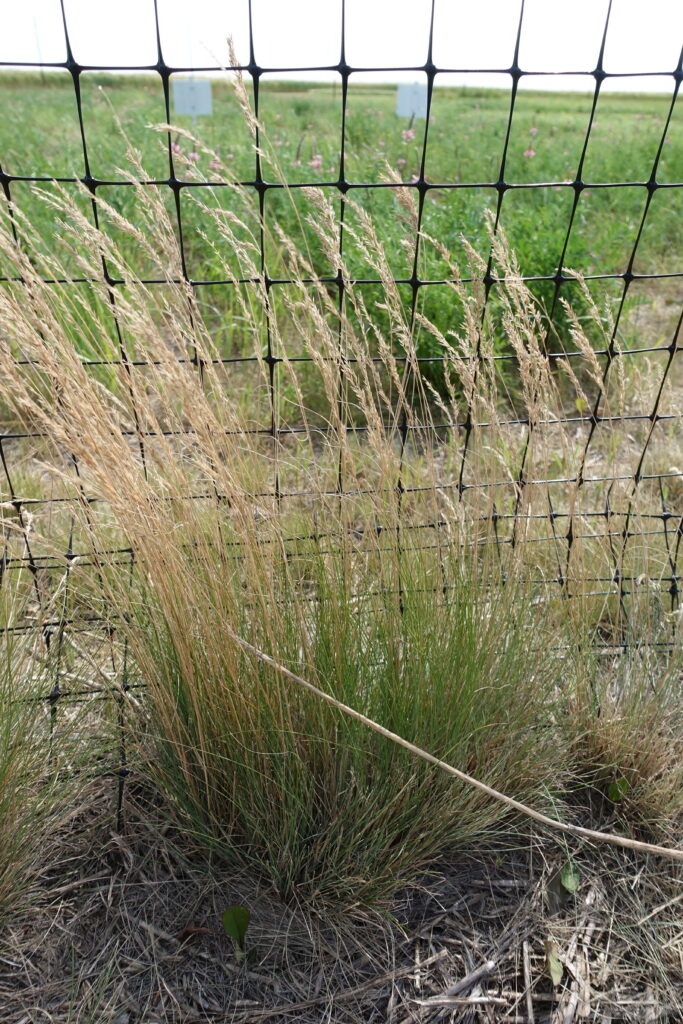
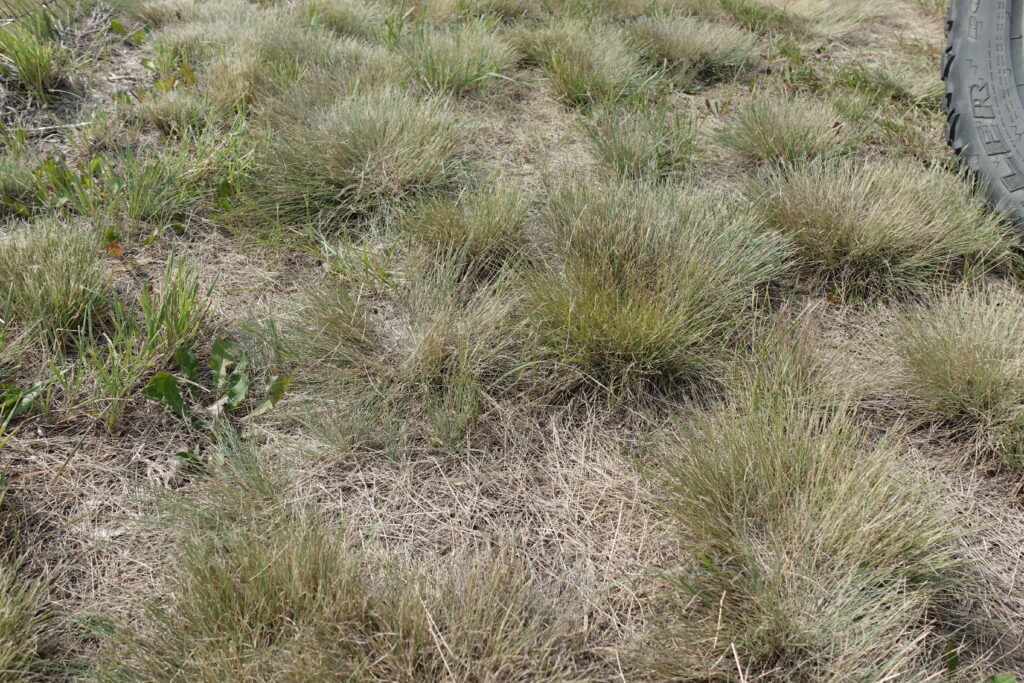
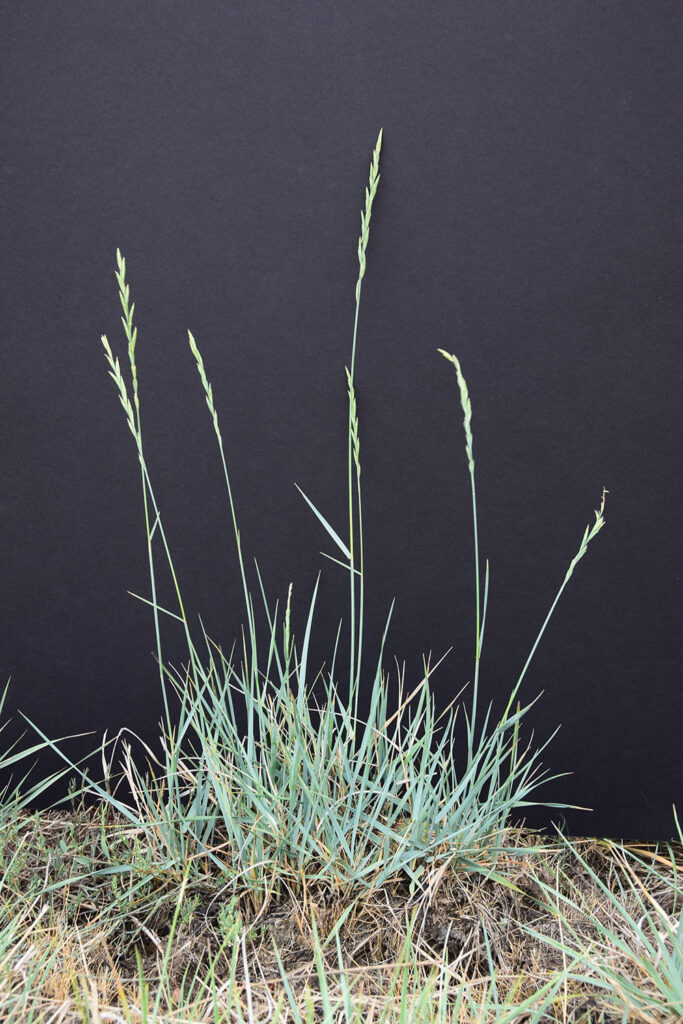
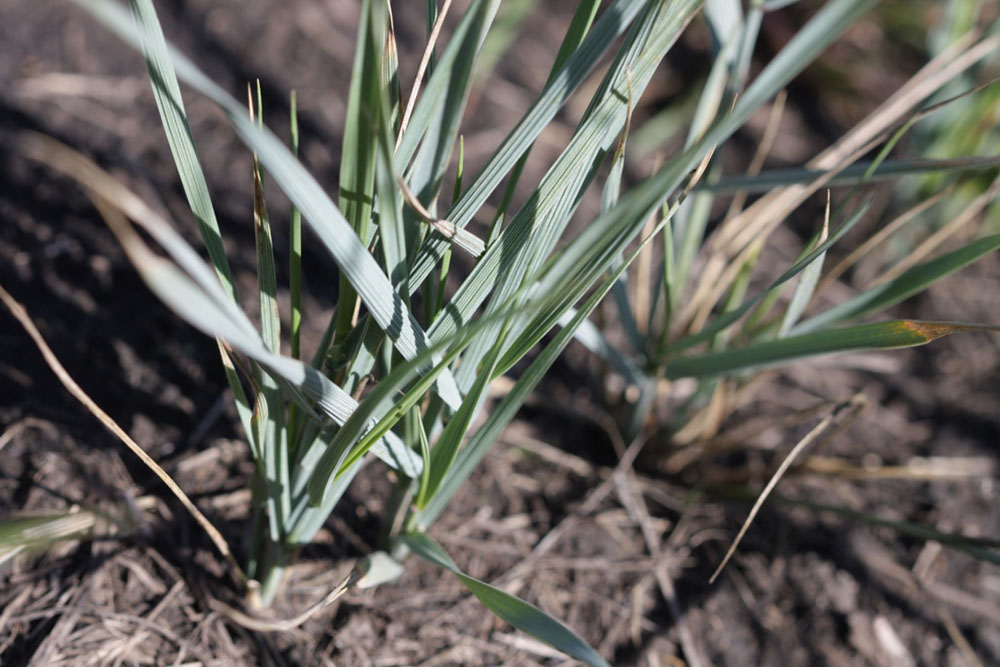
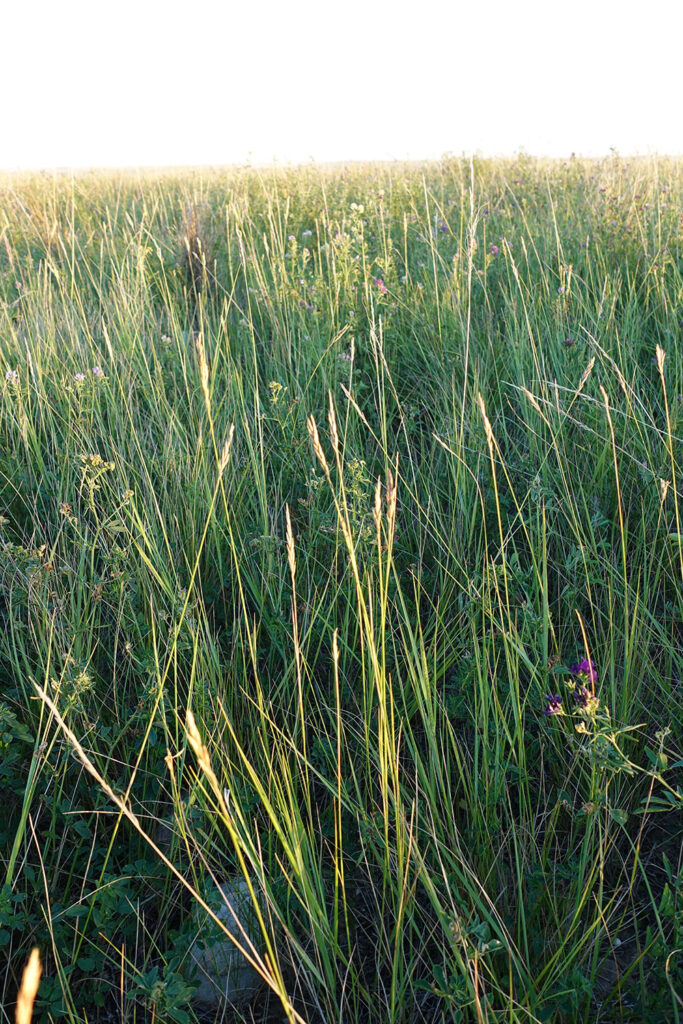
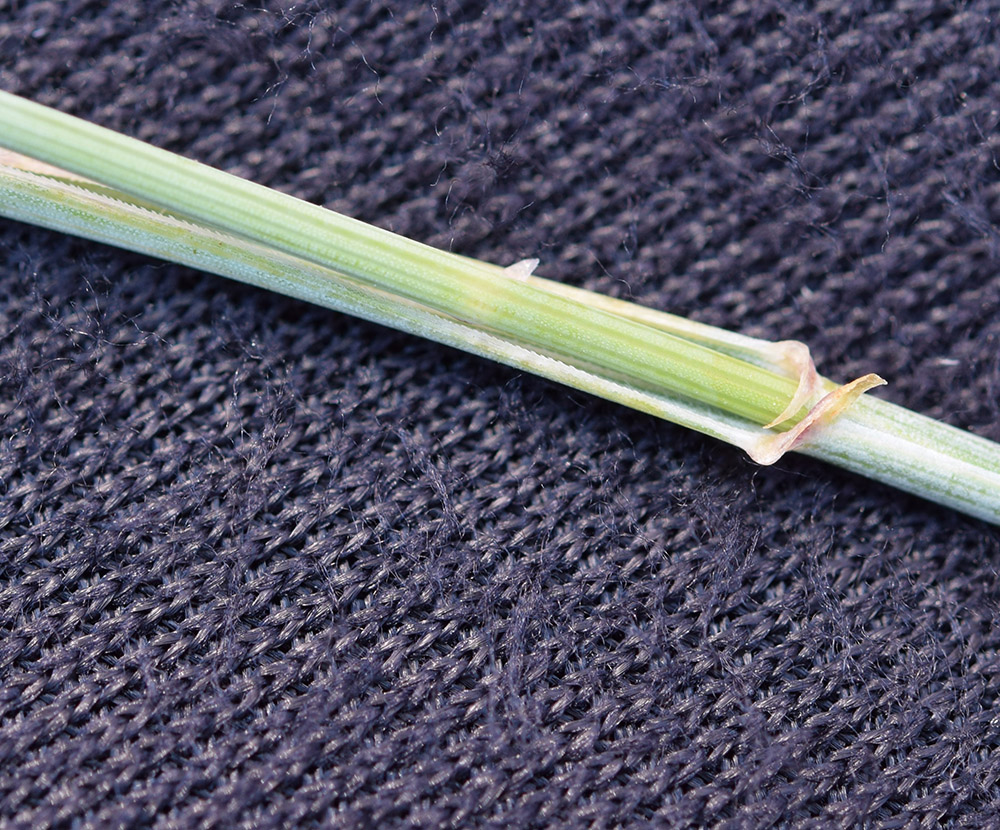
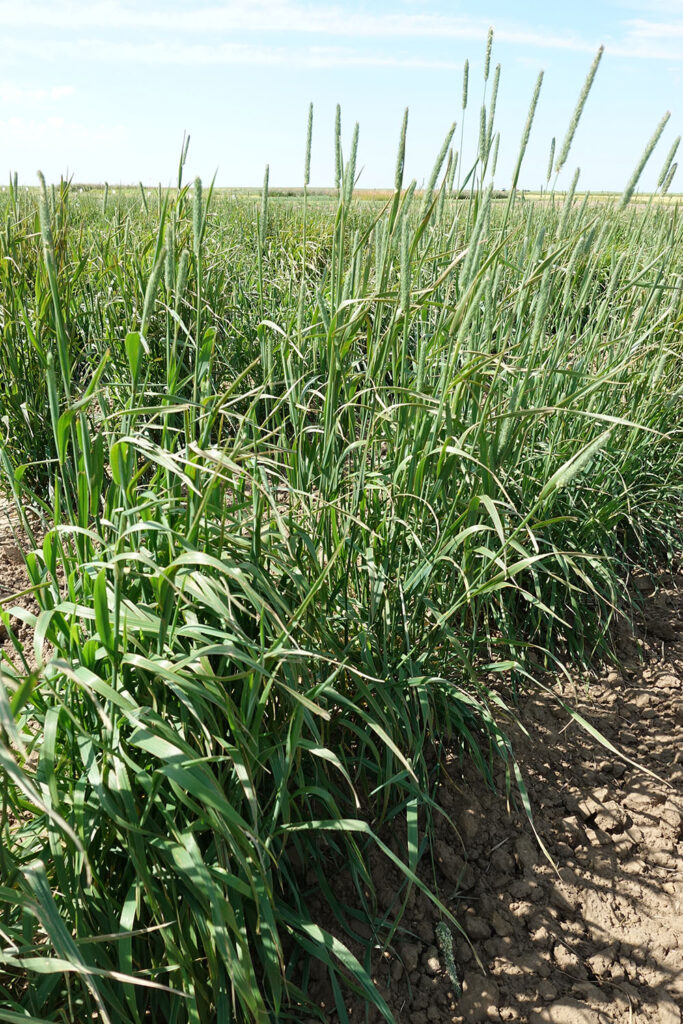
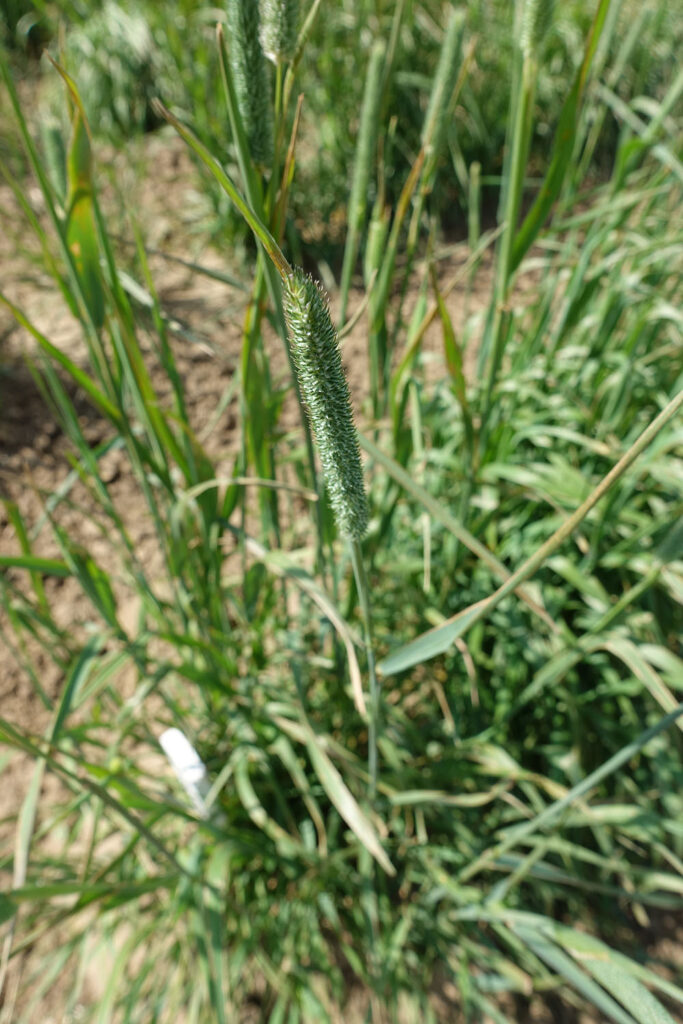
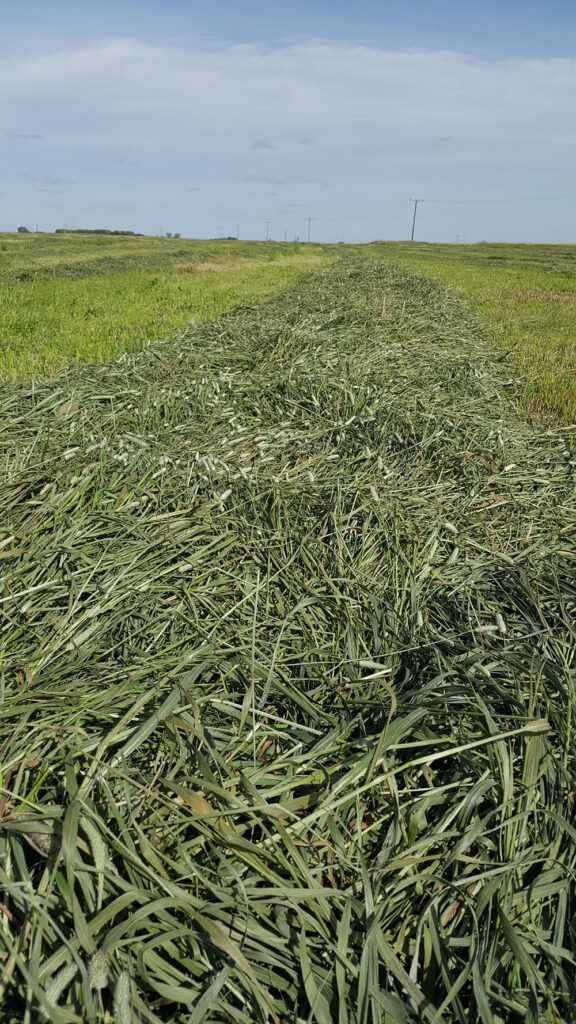
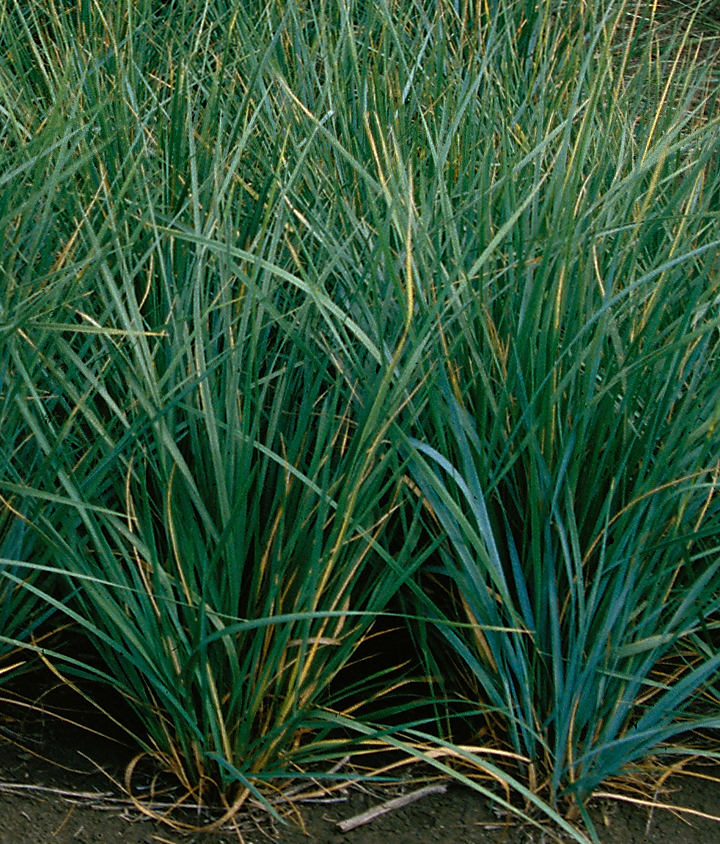
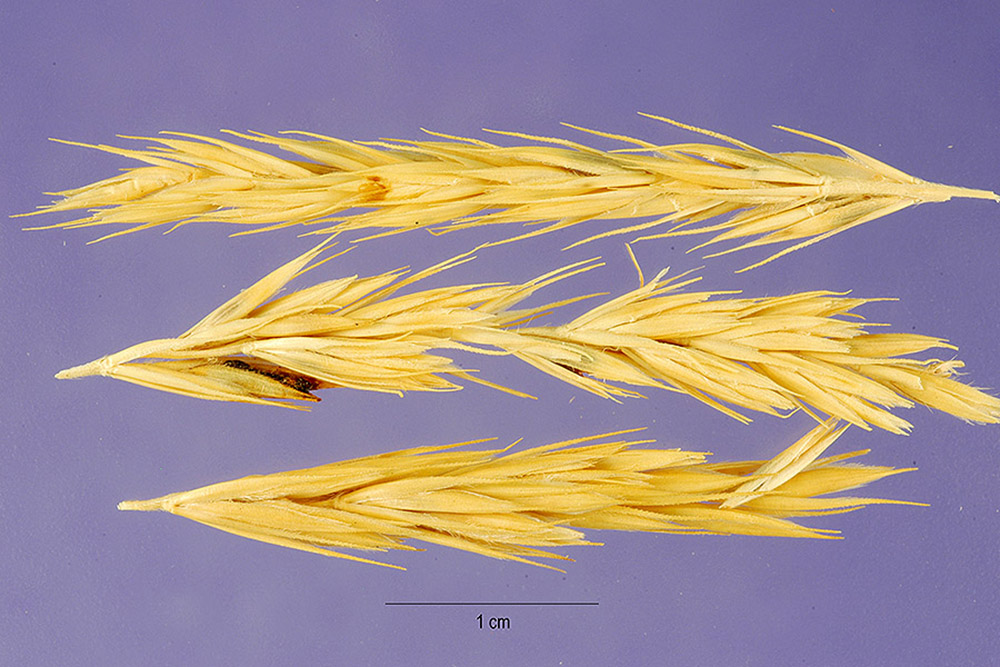
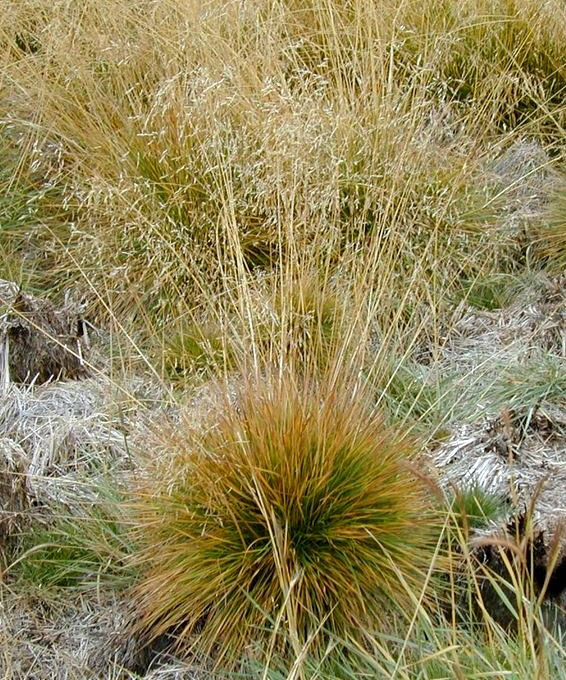
Altai wildrye is a long-lived bunch grass with an extensive root system. It is noted for its high salinity tolerance, capacity to withstand drought, and ability to stay green into the fall. Stems are up to 120 cm (4 ft) tall with mostly basal leaf growth. Leaves are stiff, upright and green to blue-green. Seed heads are thick spikes. Seeds produced are large and shatter easily from the seed head. Altai wildrye has wider, stiffer leaves on more robust plants than Russian wildrye.   


Type

Tame grass.


Origin

Siberia and Mongolia. Varieties developed in Canada.


Longevity

At least 20 years. Establishment difficult and slow.

Use

Pasture, stockpiled.


Optimal Time of Use

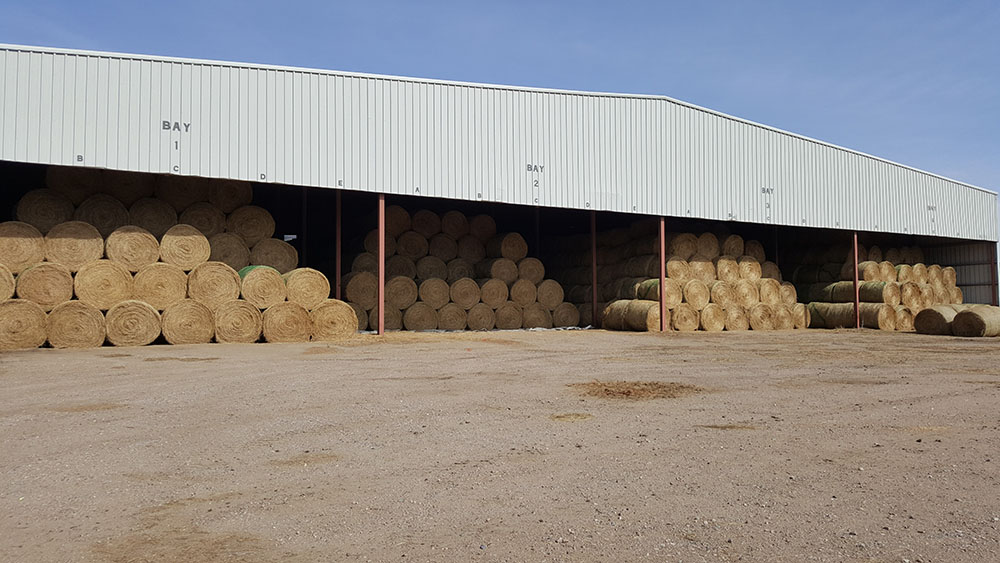
Summer, fall, winter. Altai wildrye grows slower in the spring than many other grasses, but can be grazed once sufficient basal leaves grow. Altai wildrye can be continually or rotationally grazed. Altai wildrye stockpiles well because of its long basal upright leaves that cure well remain accessible for livestock.


Recovery After Use

Requires a minimum 60-80 days of recovery after use. Leave at least 15 cm (6 in) for regrowth to occur. A lighter summer grazing followed by stockpiling can produce a modest yield of high quality forage.

Palatability/Nutritional Value

Altai wildrye’s palatability is higher later in the growing season than in spring. A lighter summer grazing followed by stockpiling can produce a modest yield of high quality forage. Altai wildrye has approximately 65% dry matter digestibility and 10% crude protein at maturity in the fall. Quality is held into the winter.

Annual Precipitation min/max (mm)

300mm / 460mm


Drought Tolerance

High tolerance. Deep roots (up to 10 feet deep) can take advantage of deep soil moisture and high water tables. Continues to grow slowly and stay green.


Flooding Tolerance

Withstands one to two weeks of spring flooding.


Winter Hardiness

Excellent hardiness.

Soil Texture Preference

Altai wildrye establishes best on loam and clay soils, but will grow on all soil textures. It will have excellent production in dry areas with high water tables. Although it can thrive on sandy soils, it requires good moisture during establishment years.


Erosion Control

Limited to no use for erosion control.


Salinity Tolerance

High tolerance.


Acidity Tolerance

Moderate tolerance.


Alkalinity Tolerance

Moderate to high tolerance.

Seeds per kg

133,000 seeds/kg (60,000 seeds/lb)


Suggested Mixtures

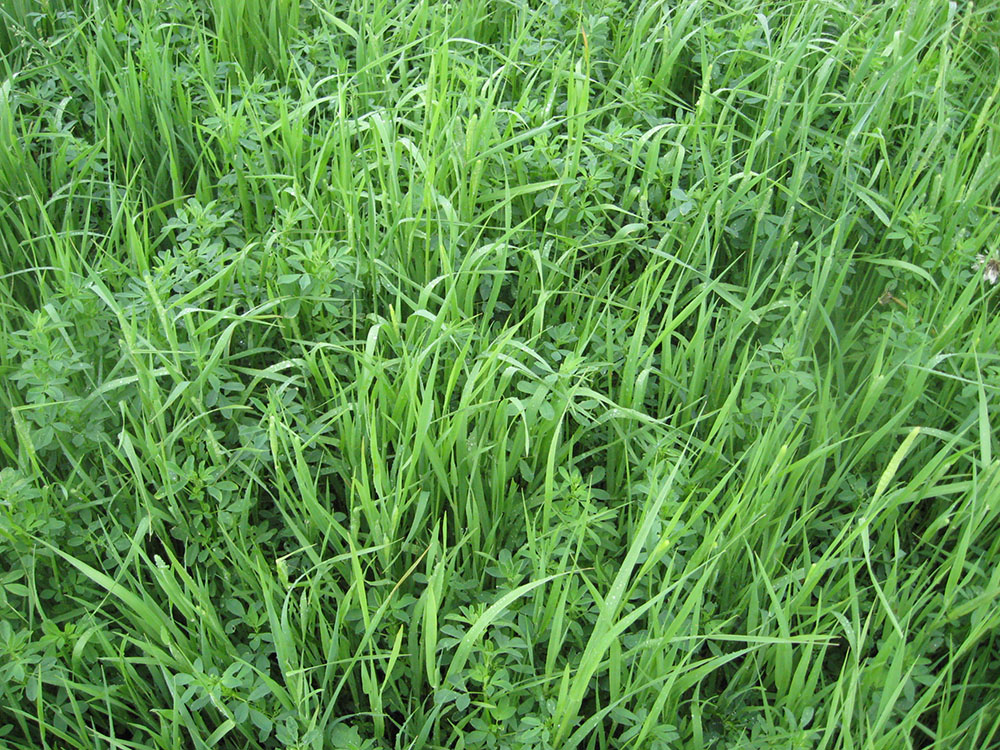
Altai wildrye is often seeded alone or in a simple mix with species such as alfalfa or cicer milkvetch. Seeding other forages at 90 degree angles to the altai wildrye rows can decrease interspecies competition.


Ease of Establishment

Altai wildrye seedlings are slow growing and hard to establish. This is a major limiting factor in the use of Altai wildrye. It competes poorly with weeds, companion crops or other forage seedlings. It is noted to take up to three years to fully establish for use.


Competitiveness

Altai wildrye is competitive once established. It is a very poor competitor while establishing.


Management Considerations

Attentive management of competition during establishment will result in adequate plant populations for optimal production. Altai wildrye remains most productive if it is grazed in the fall. Although a long standing species, it has never been wide spread in popularity.

Saskatchewan Dryland Forage Species Adaptation Tool, USDA Plants Database, Manitoba Forage Adaptation and Comparison Guide, Alberta Forage Manual

Altai wildrye is adapted to the driest areas of the Bunchgrass and Interior Douglas-fir zones in the southern part of the Central Interior, and has in the past been established in demonstration plots in the Bunchgrass zone. It is notoriously difficult to establish, which limits its practical application.
Altai wildrye is adapted to the driest areas of the Bunchgrass, Ponderosa Pine and Interior Douglas-fir zones, and has in the past been established in demonstration plots in the Bunchgrass zone. It is notoriously difficult to establish, which limits its practical application.
Seeding Rate Calculator

Seeding Rate Calculator

Calculate the seeding
rate & seed cost

Tufted Hairgrass

General Description

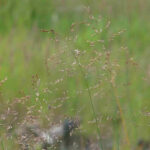
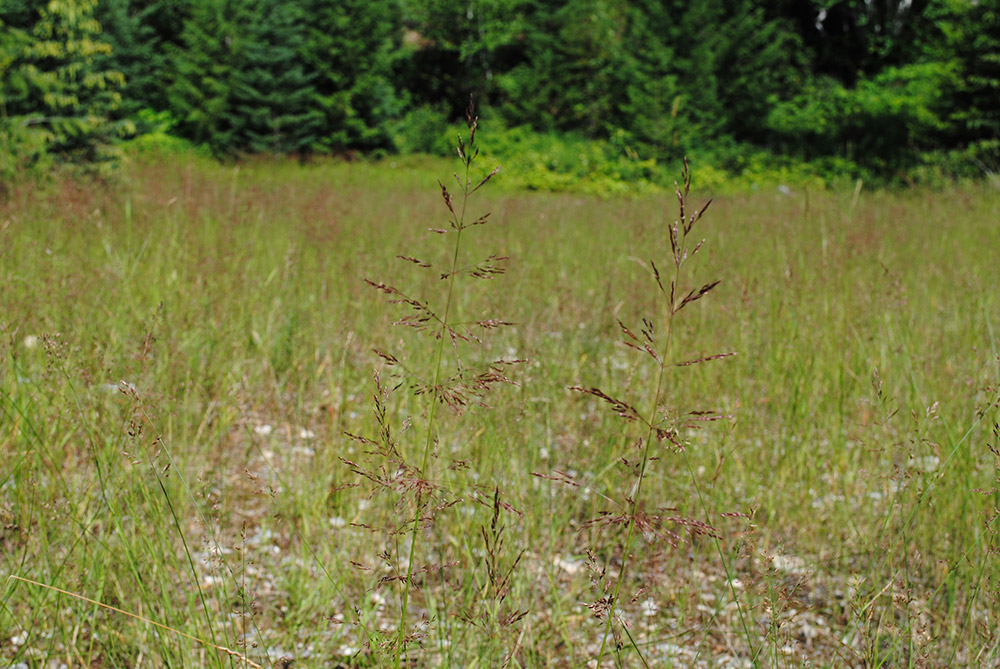
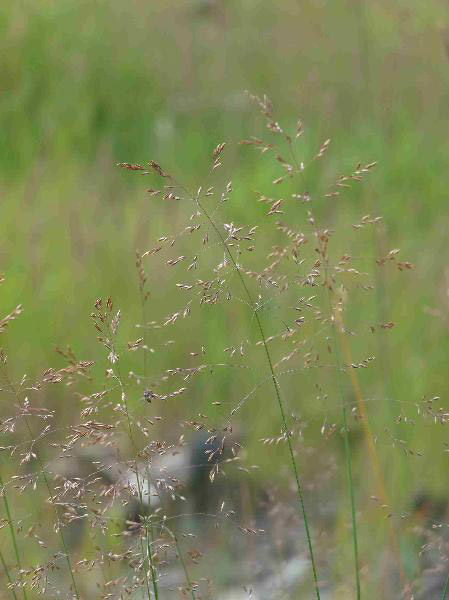
Tufted hairgrass is a short-lived, tufted, cool season, native perennial bunchgrass. Roots are shallow, fibrous, and dense. A mass of deep green leaves covers the crown. Densely tufted and with numerous stems, this native grass is found throughout British Columbia. Seed production is important for stand maintenance. It is valuable as a range grass and fairly resistant to close grazing. 


Type

Native grass.


Origin

North America.


Longevity

Generally considered a short-lived species.

Use

Reclamation, grazing. This highly variable species can adapt to stressful environments, and is often recommended for reclamation and rehabilitation projects.


Optimal Time of Use

Highly palatable, resistant to grazing, remains green throughout the summer, and good for pasture forage. Grazing should be deferred until the stands are established


Recovery After Use

High recovery if rotational grazing system is used. Despite this species’ resistance to grazing damage, it will decline with continuous season-long grazing.

Moderate

Palatability/Nutritional Value

Very palatable early in the season with up to 20% protein content in early May.

Annual Precipitation min/max (mm)

400mm / 600mm


Drought Tolerance

Low tolerance.


Flooding Tolerance

Adapted to seasonally flooded areas.


Winter Hardiness

High winter hardiness.

Soil Texture Preference

Can be found in a wide variety of soil types from fine to coarse.


Erosion Control

Sometimes used to stabilize stream banks, canals, and shorelines. Tolerates heavy metal contamination. 

Salinity Tolerance

Tufted hairgrass is generally considered to have low salinity tolerance; however, it grows in salt marshes and coastal estuaries so some tolerance to salinity is inferred.


Acidity Tolerance

High tolerance; tolerant of pH down to 3.5.


Alkalinity Tolerance

Low tolerance, up to pH 7.5.

Seeds per kg

3,600,000 seeds/kg (1,633,000 seeds/lb)


Suggested Mixtures

Native species with similar tolerances for reclamation. Where species diversity is a goal, mixtures with less than 0.3 to 0.6 kg/ha (approx.1/4 to 1/2 lb/acre) may be required as heavier rates will have high tufted hairgrass stand content.

Ease of Establishment

Tufted hairgrass may be slow to establish the first year but will establish with adequate moisture. Seed selected from high elevations may have higher dormancy and is likely to germinate better in fall seeding applications. Seeds selected from low elevations have lower dormancy and thus can be planted in the fall or spring. Specific selections are often required for extreme soil conditions.


Competitiveness

Tufted hair grass is considered moderately competitive as it can dominate if it is seeded too heavily in a mixture, and it can be a serious competitor with trees.


Management Considerations

Tufted hairgrass will decrease with continuous season long use. Spring grazing should be deferred in wet areas until soils are dry enough to prevent pugging and damage to plants.

BC Rangeland Seeding Manual, USDA Plants Database

Tufted hairgrass is adapted to moist draws and wet meadows in all zones in the region.

Tufted hairgrass is adapted to moist draws and wet meadows in all zones in the region.
Seeding Rate Calculator

Seeding Rate Calculator

Calculate the seeding
rate & seed cost

Redtop

General Description

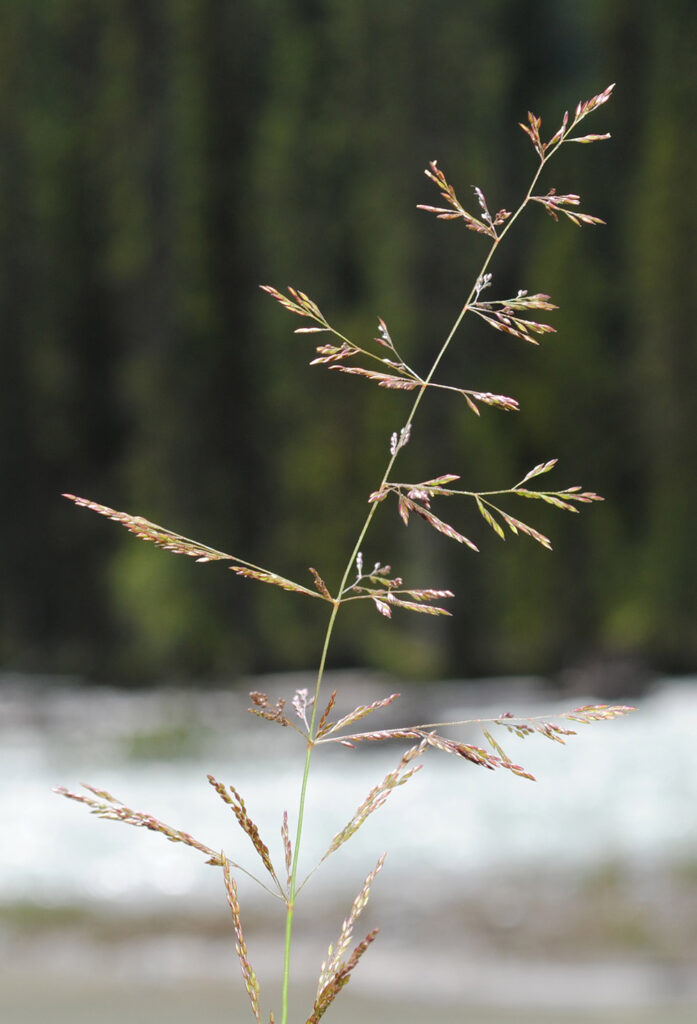
Redtop is a long-lived, perennial tufted grass with common names like bentgrass or ticklegrass. Several closely related species of this bentgrass group are discussed in the literature including redtop (Agrostis gigantea Roth or Agrostis stolonifera – introduced), and hair bentgrass (Agrostis scabra – native). The common name ticklegrass can refer to any of these species. Redtop was introduced and has become naturalized throughout British Columbia. It is abundant following disturbance, especially in the northeastern part of British Columbia. 


Type

Tame grass.


Origin

Introduced from Europe.


Longevity

High.

Use

Reclamation. Introduced initially for use in lawns and turf grasses. Used for erosion control in riparian areas and wetlands, and rehabilitation of disturbed sites with high acidity or heavy metal contamination. There has been some use for pasture and hay in higher elevation wet meadows in western states.

Optimal Time of Use

Spring and summer.


Recovery After Use

Tolerant of grazing because of semi-prostrate growth and generally low palatability.

Low.

Palatability/Nutritional Value

Cattle prefer most other tame grass species over redtop. When it is available it is preferred by cattle and horses in spring and summer, preferred by sheep in spring, and desirable in summer.

Annual Precipitation min/max (mm)

450mm / 600mm


Drought Tolerance

Moderate tolerance.


Flooding Tolerance

Redtop is adapted to frequent flooding.


Winter Hardiness

Redtop has a high cold tolerance and is adapted to northern areas of North America.

Soil Texture Preference

Grows well on poor, clayey soils, on poorly drained soil, and on soils with low fertility. Not suited to limestone-based soils.


Erosion Control

Rhizomatous root system makes this species useful for erosion control.


Salinity Tolerance

Low salinity tolerance.


Acidity Tolerance

High tolerance. Redtop grows well on very acid soils and will tolerate pH as low as 4.5.


Alkalinity Tolerance

Low tolerance- up to pH 8.0.

Seeds per kg

10,670,000 seeds/kg (4,839,836 seeds/lb)


Suggested Mixtures

Redtop is seldom seeded alone and forage quality is improved when seeded with species such as timothy and/or clover species.


Ease of Establishment

When established from seed, redtop plants can have low vigour resulting in poor stands. However, once established plants will readily spread. Early spring seeding is recommended to allow establishment before onset of drier conditions. Broadcast seeding with light harrowing is suitable. Soil compaction over seed may cause crusting which can be impenetrable to emerging seedlings.


Competitiveness

Can be highly competitive and invasive in some regions and habitats.


Management Considerations

This species should not be seeded where native vegetation is desired, and readily hybridizes with other Agrostis species. Pasture mixes will need to be grazed closely to allow for palatable regrowth on wetter and sub-irrigated sites.

BC Rangeland Seeding Manual, USDA Plants Database

Redtop is naturalized throughout BC, and is adapted to all zones in the region except semi-arid parts of the Bunchgrass zone. It should not be seeded where native plant communities are desired.

Redtop is naturalized throughout BC, and is adapted to all zones in the region except semi-arid parts of the Bunchgrass zone. It should not be seeded where native plant communities are desired.

Redtop is naturalized throughout BC and adapted to the Peace-Liard region. It should not be seeded where native plant communities are desired.

Seeding Rate Calculator

Seeding Rate Calculator

Calculate the seeding
rate & seed cost

Italian Ryegrass

General Description

Italian ryegrass is a short-lived, highly tillered, cool season biennial bunchgrass. It is usually grown as an annual forage or a quickly establishing, green ground cover. There are two types of ryegrasses: Italian and Westerwold, both with diploid and tetraploid varieties. Ryegrasses cross-pollinate freely and it is difficult to maintain genetic purity. Often, they form a mixture of perennial and annual species. 


Type

Tame grass.


Origin

Italian ryegrass originates from northern Italy. Westerwold ryegrass was developed in the Netherlands from Italian ryegrass, and can set seed in the year of sowing.


Longevity

Will only live 1 to 2 years.

Use

Hay, grazing. Italian ryegrass is used for hay and irrigated or intensively managed pasture. It is also used extensively for quick ground cover in post-wildfire rehabilitation and other rehabilitation contexts. Westerwold ryegrass is used for silage, hay, or seed, but winter survival depends on variety, conditions, and management. Italian ryegrass is used as a lure crop for waterfowl and is intercropped with corn in southern British Columbia.

Hay, silage, pasture. It is also used extensively for quick ground cover in post-wildfire rehabilitation and other rehabilitation contexts. Westerwold ryegrass is used for silage, hay, or seed, but winter survival depends on variety, conditions, and management.


Optimal Time of Use

Throughout the season and a good option for extending grazing into late fall and early winter where adapted.


Recovery After Use

Italian ryegrass has excellent tolerance to grazing and quick recovery to use. Allow 3 to 5 weeks for regrowth. Vegetative material is soft and easily damaged by trampling. Although continuous grazing is acceptable, trampling damage can be reduced with managed or rotational grazing.

Italian ryegrass has excellent tolerance to grazing and quick recovery to use. Vegetative material is soft and easily damaged by trampling. Although continuous grazing is acceptable, trampling damage can be reduced with managed or rotational grazing.

Italian ryegrass yielded 8,960 kg/ha (8,000 lb/acre) over 2 harvest operations in 1 year (at Melfort, SK., 1998-2000). Westerwold ryegrass yielded 10,400 kg/ha (9,300 lb/ acre) at the same research site. Single-year yields from three irrigated sites in the Cariboo and Chilcotin ranged from 2,760 to 5,610 kg/ha (2,464 and 5,008 lb/acre). A non-irrigated site in the same region produced 487 kg/ha (435 lb/acre).

Palatability/Nutritional Value

Highly palatable and highly digestible. Fall regrowth showed crude protein 17 to 23% (dependent on sampling time and variety, at Melfort, 1992).

Annual Precipitation min/max (mm)

400mm / 600mm


Drought Tolerance

Low drought tolerance.


Flooding Tolerance

Good tolerance to excess moisture and short periods of flooding.


Winter Hardiness

Low, winter severity determines whether plants survive for a second year.

Soil Texture Preference

Grows best on fertile, well-drained soils but is adapted to a wide range of soil types and textures.


Erosion Control

Can provide quick cover for short-term erosion control, and while perennials are establishing.


Salinity Tolerance

Moderate tolerance.


Acidity Tolerance

High tolerance, will tolerate pH as low as 5.0.


Alkalinity Tolerance

Low tolerance will tolerate pH up to 7.9.

Seeds per kg

501,000 seeds/kg (227,250 seeds/lb)


Suggested Mixtures

Italian ryegrasses can be seeded in mixtures, although it should be seeded at a lower rate to allow establishment of slower to establish perennials.


Ease of Establishment

Italian ryegrasses are easy to establish. Seed in mid- to late May or if concerned about weed pressure, delay seeding until mid- June. Responds well to fertilizer applications (especially N and P). If broadcasting N, apply before seeding or after plant is at the 2- to 3-leaf stage. Functions very well as a nurse crop while establishing other slower growing forage crops.


Competitiveness

Highly competitive in the year of seeding.


Management Considerations

Lack of winter hardiness suggests on planning for use as an annual crop except in areas where winters are typically mild.

BC Rangeland Seeding Manual, USDA Plants Database

Italian ryegrass is adapted to the Sub-Boreal Spruce, Interior Cedar-Hemlock and Sub-Boreal Pine-Spruce zones. In the southern part of the region, it is adapted to wetter parts of the Interior Douglas-fir zone, and to irrigated and subirrigated areas in the Bunchgrass zone and dry parts of the Interior Douglas-fir zone.

Italian ryegrass is adapted to the wetter parts of the Interior Douglas-fir zone and the Interior Cedar-Hemlock zone, and to irrigated and subirrigated areas in the Bunchgrass, Ponderosa Pine zones and drier parts of the Interior Douglas-fir zone.

Seeding Rate Calculator

Seeding Rate Calculator

Calculate the seeding
rate & seed cost

Hard Fescue / Sheep Fescue

General Description

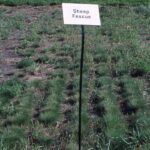
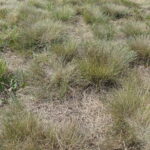
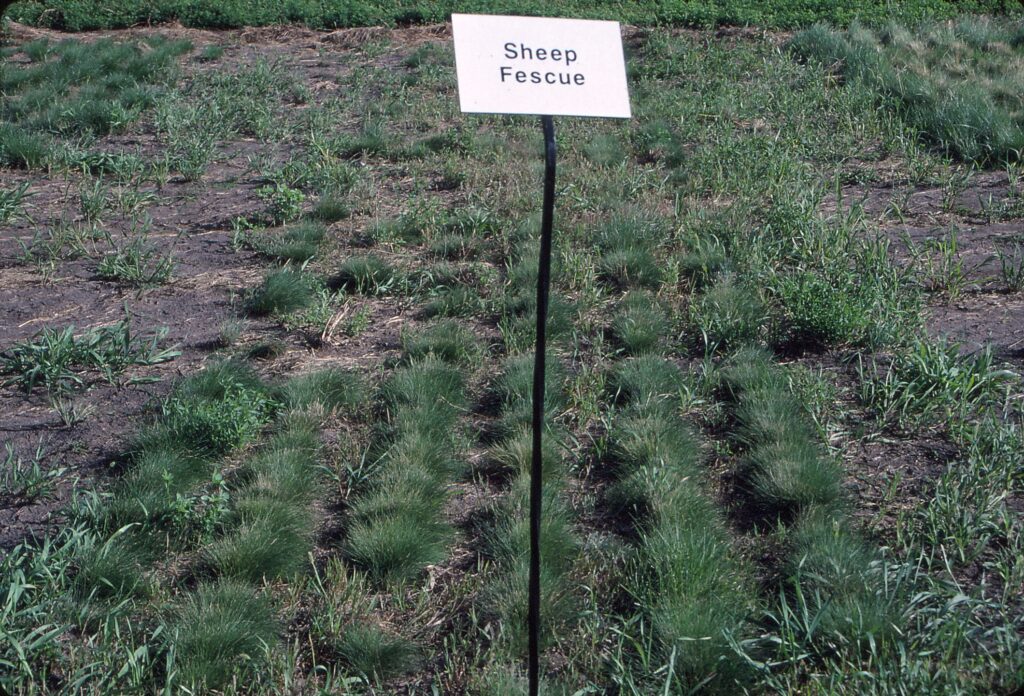
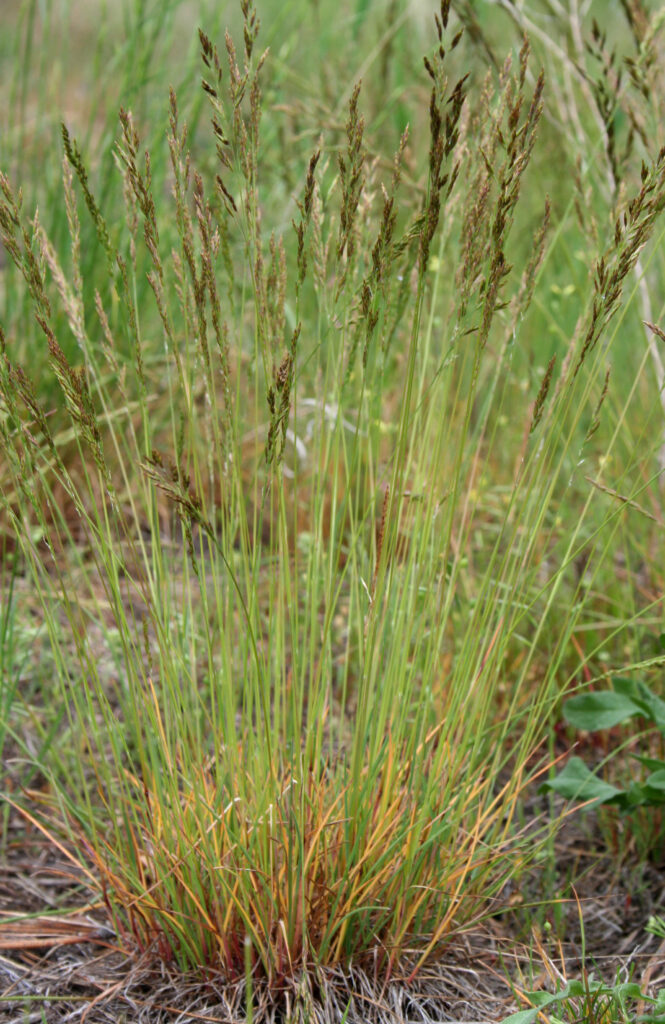
Hard fescue is an introduced, cool season bunchgrass with fibrous roots. Hard fescue is not native to North America and was introduced from Europe. There is some confusion about the scientific naming of the species, mostly because in older works it was considered a subspecies of sheep fescue (Festuca ovina var. duriscula). Sheep fescue is also introduced from Europe, but is closely related to the red fescue (F. rubra) complex, which is native to North America. They are grouped together here as characteristics are very similar. 


Type

Tame grass.


Origin

Europe and Eurasia.


Longevity

Hard fescue is long-lived.

Use

Hard fescue is used primarily for erosion control, stabilization of roadsides and skid trails, weed and invasive plant suppression, and groundcover in orchards. It is sometimes used in forage applications although less preferred than other species.

Hard fescue is also grown for seed production in the Peace River Region.


Optimal Time of Use

Hard fescue remains green through the growing season, and may be used in spring, summer and fall. Hard fescue should not be grazed in the year of establishment.


Recovery After Use

Primarily spring and fall growth dependent on moisture conditions.

Forage yield will depend on site conditions and precipitation.

Palatability/Nutritional Value

It is only fair forage value compared to other species. Forage quality is typically better on more moist sites and can be improved with fertilization.

Annual Precipitation min/max (mm)

300mm / 760mm


Drought Tolerance

Hard fescue “Durar” has moderate drought tolerance, but is less drought tolerant than sheep fescue.


Flooding Tolerance

Low tolerance.


Winter Hardiness

Hard fescue has moderate winter hardiness and cold tolerance.

Soil Texture Preference

Hard fescue prefers fine to medium textured soils that are well drained.


Erosion Control

Hard fescue is highly suitable for erosion control because of its extensive root system once it is established.


Salinity Tolerance

No salinity tolerance.


Acidity Tolerance

Low to moderate tolerance, but prefers pH levels of 6.0 to 8.0.


Alkalinity Tolerance

Low tolerance.

Seeds per kg

1,243,000 seeds/kg (565,000 seeds/lb)


Suggested Mixtures

Other species may be included depending on management objectives.


Ease of Establishment

Seedlings are delicate and may be susceptible to soil crusting. Spring seeding may be preferable. Plants remain small in the first year. Typically cover increases substantially in the second year of establishment. Suitable for broadcast applications.


Competitiveness

Hard fescue is very competitive, and can increase and become dominant once established.


Management Considerations

Fertilization may help maintain stands on heavily used areas.

BC Rangeland Seeding Manual, USDA Plants Database

Sheep fescue and hard fescue are adapted to all zones of the Central Interior. Sheep fescue and hard fescue are very persistent especially in the dry southern part of the region, i.e., the Bunchgrass and Interior Douglas-fir zones, and may invade native plant communities in these areas.

Sheep fescue and hard fescue are very persistent in the drier zones of the region, i.e., the Bunchgrass, Ponderosa Pine and Interior Douglas-fir zones, and may invade native plant communities in these areas.

Hard fescue and sheep fescue are grown for seed production in the area.

Fowl Bluegrass

General Description

Fowl bluegrass is a loosely tufted, low growing, native, cool season, perennial bunchgrass. It is commonly a minor component in native grass seed mixes. It has fibrous roots and a tufted bunchgrass growth habit, but can form a weak sod. 


Type

Native grass.


Origin

Native to British Columbia.


Longevity

Moderate, 5-10 years.

Use

Reclamation. Used as a minor component in native grass reclamation mixes and is considered an early- to mid-successional species. It has forage value and is used in pastures by both wildlife and livestock, where moisture is sufficient. The Chipewyan used fowl bluegrass to make vaccines or allergens to treat hay fever and to make hair rinses to revitalize hair.


Optimal Time of Use

Early in the spring.


Recovery After Use

Slow recovery after clipping or grazing. This species can be either an increaser or a decreaser after grazing, depending on site conditions.

Palatability/Nutritional Value

Fowl bluegrass is noted to have low protein and low palatability for both browsing and grazing animals.

Annual Precipitation min/max (mm)

450mm / 570mm


Drought Tolerance

Low drought tolerance.


Flooding Tolerance

Although fowl bluegrass has a low tolerance to flooding, it is sometimes considered a wetland species indicator.


Winter Hardiness

Fowl bluegrass can tolerate temperatures as low as -38°C.

Soil Texture Preference

Adapted to medium-textured or loam soils to fine-textured or clayey soils.


Erosion Control

Has moderate value for use in erosion control.


Salinity Tolerance

Low tolerance.


Acidity Tolerance

High tolerance, found on soils with pH as low as 4.9.


Alkalinity Tolerance

Low tolerance, found on soils up to pH 7.5.

Seeds per kg

6,957,000 seeds/kg (3,155,656 seeds/lb)


Suggested Mixtures

Suitable for use with other native species.


Ease of Establishment

Fowl bluegrass has moderate seedling vigour. Seeds per gram should be verified when calculating seeding rate, as the seed weights reported in literature varied from 4.187 to 6.957 million seeds per kilogram.


Competitiveness

Moderately competitive where it is adapted.


Management Considerations

Several species of native bluegrasses including fowl bluegrass can cause problems for pedigreed seed growers as these species are difficult to clean out of other grass seed crops.

BC Rangeland Seeding Manual, USDA Plants Database

Fowl bluegrass is found in all zones in the Central Interior region, but in the southern part of the the region it is best adapted to moist transitional areas in the Interior Douglas-fir zone.

Fowl bluegrass is found in all zones in the region, but is best adapted to moist transitional areas in the Interior Douglas-fir and Interior Cedar-Hemlock zones.

Fowl bluegrass is common in native plant communities of the Peace-Liard region. It can be highly competitive and persistent. This has caused problems for local seedgrowers who need to keep fields clean for other forage seed crops.

Seeding Rate Calculator

Seeding Rate Calculator

Calculate the seeding
rate & seed cost

Chewing’s Red Fescue

General Description

Chewing’s red fescue is a long-lived, loosely tufted perennial that usually grows from rhizomes and appears in many forms and variants. Both introduced and native types have been recognized as separate species. Over 100 varieties of this complex are sold in Europe. Some have been introduced to North America and have hybridized with native forms. 


Type

Tame grass.


Origin

Most cultivars are likely to be of European origin, but some may have been bred from germplasm from Europe and North America.


Longevity

Long-lived.

Use

Reclamation, pasture.


Optimal Time of Use

Awned wheatgrass is optimally grazed prior to seed head development.


Recovery After Use

Graze awned wheatgrass once per year. At least four inches (100mm) of stubble should be left after grazing to maintain vigor.

Palatability/Nutritional Value

Awned wheatgrass is palatable until heading. Awn development and coarse stems at maturity reduce palatability. Digestibility ranges from 55% in June to 35% in October and crude protein ranges from 14% in June to 4% in October.

Annual Precipitation min/max (mm)

350mm / 600mm or higher.


Drought Tolerance

Moderate drought tolerance.


Flooding Tolerance

Withstands approximately one to two weeks of spring flooding.


Winter Hardiness

Good winter hardiness.

Soil Texture Preference

Awned wheatgrass is best suited to moist, well drained loamy textured soils in sheltered areas. Awned wheatgrass is found native in moist shady areas such as coulees, on the edges of brush or tree bluffs, or in wet areas around treed sloughs.


Erosion Control

Not noted for erosion control, but is a useful component of reclamation mixes.


Salinity Tolerance

Slight salinity tolerance.


Acidity Tolerance

Slight acidity tolerance.


Alkalinity Tolerance

Low tolerance.

Seeds per kg

271,000 seeds/kg (123,000 seeds/lb)


Suggested Mixtures

Native seed mixtures for higher moisture areas or sheltered areas. Found in reclamation mixes.


Ease of Establishment

Awned wheatgrass is relatively easy to establish.


Competitiveness

Little is known about its competitiveness in pure stands or simple mixes.


Management Considerations

Allowing seed set and drop every few years will foster stand longevity as little is known about the plant’s lifespan. Although awned wheatgrass is a subspecies of slender wheatgrass, little is known about managing it agronomically.

Saskatchewan Dryland Forage Species Adaptation Tool, USDA Plants Database, British Columbia Rangeland Seeding Manual, Alberta Forage Manual

Chewings fescue is adapted to all zones in the Central Interior except the Bunchgrass zone in the southern part of the region. 

Chewings fescue is adapted to the Ponderosa Pine, Interior Douglas-fir and the Interior Cedar-Hemlock zones and mostly limited to reclamation use.

Chewings fescue is grown for seed production in the Peace-Liard region and is used in reclamation applications.

Seeding Rate Calculator

Seeding Rate Calculator

Calculate the seeding
rate & seed cost

Hairy Vetch

General Description

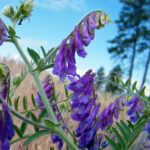
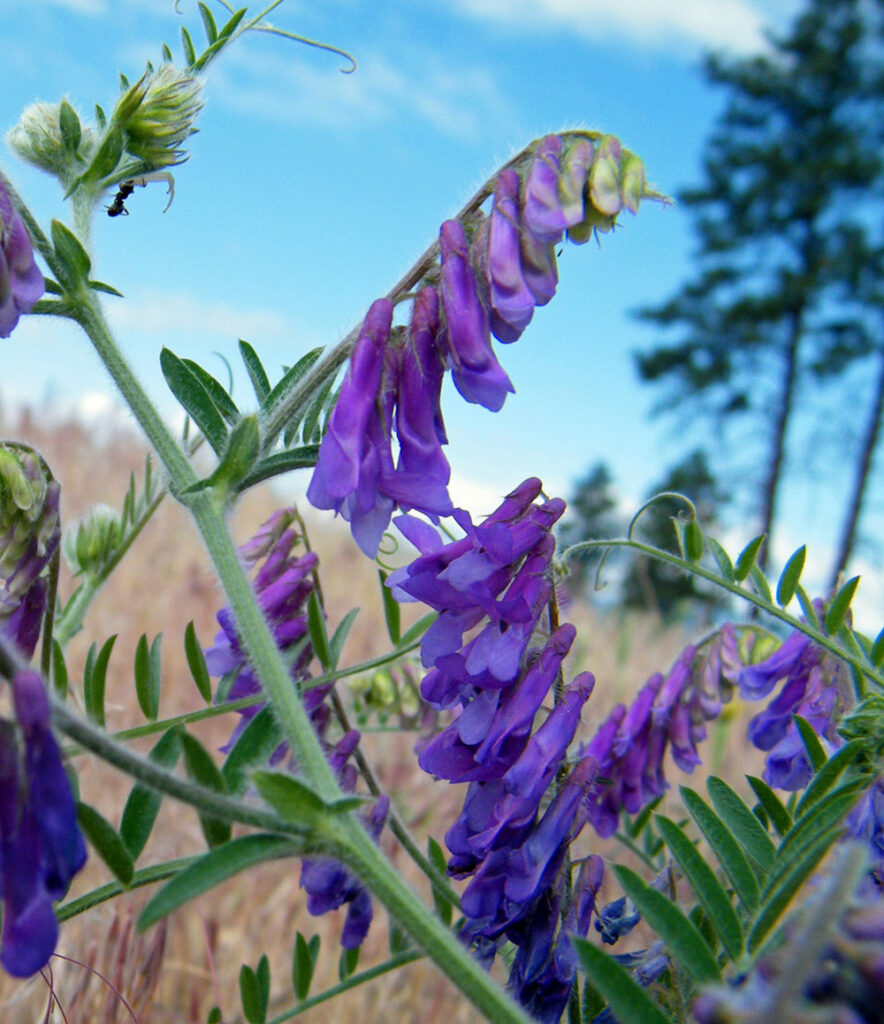
Hairy vetch is an annual or biennial, hardy, cool season agronomic legume, also commonly referred to as fodder vetch, winter vetch, or sand vetch. It has a weak tap root that grows up to 60 to 90 cm (24 to 35 in) with many side branches in the top 20 cm (8 in) and is known as an excellent nitrogen fixer. 


Type

Tame legume.


Origin

Native to Europe and Asia. Now the most used vetch in North America.


Longevity

Annual or biennial.

Use

Hay, grazing, erosion control. Consumption of seed can be poisonous to livestock. Hairy vetch is especially known for erosion control, bank stabilization, winter cover crop, and soil conditioning. It can be a suitable plant in organic and no-till pasture and cropping systems.


Optimal Time of Use

Spring and winter. 


Recovery After Use

The growth habit of hairy vetch means it is typically used once per grazing season.

Hay yield of 1.5 to 3.5 tons of dry matter per acre have been reported.

Palatability/Nutritional Value

High palatability, high crude protein values and very digestible.

Annual Precipitation min/max (mm)

450mm / 600mm.


Drought Tolerance

High drought tolerance.


Flooding Tolerance

Some flooding tolerance but not adapted to poorly drained soils.


Winter Hardiness

Winter hardy but dependent on good snow cover. Vetch seeded alone may be vulnerable to frost heave damage.

Soil Texture Preference

Prefers sandy soils but is adapted to all soil textures.


Erosion Control

High ability to control erosion. Hairy vetch can provide a heavy surface mulch.


Salinity Tolerance

Low to moderate tolerance.


Acidity Tolerance

Low tolerance, prefers pH 6.0 to 7.5.


Alkalinity Tolerance

Low tolerance.

Seeds per kg

44,000 seeds/kg (97,003 seeds/lb).


Suggested Mixtures

Hairy vetch is commonly fall-seeded with rye for pasture use.


Ease of Establishment

Easily establishes where adapted.


Competitiveness

Once established, hairy vetch can be aggressive and competitive. It sets seed and can proliferate from self-seeding.


Management Considerations

Hairy vetch is normally planted in the fall. It can be broadcast or drill seeded.

BC Rangeland Seeding Manual, USDA Plants Database

Hairy vetch is adapted to the Sub-Boreal Spruce, Sub-Boreal Pine-Spruce and Interior Cedar-Hemlock zones. In the southern part of the Central Interior it is adapted to wetter parts of the Interior Douglas-fir zone, and to irrigated and subirrigated areas in the Bunchgrass zone and dry parts of the Interior Douglas-fir zone. 

Hairy vetch is adapted to wetter areas in the region (i.e., the Interior Cedar-Hemlock zone and wetter parts of the Interior Douglas-fir zone), and to irrigated or subirrigated areas in the Bunchgrass, Ponderosa Pine and Interior Douglas-fir zones. 

Seeding Rate Calculator

Seeding Rate Calculator

Calculate the seeding
rate & seed cost

Western Wheatgrass

General Description

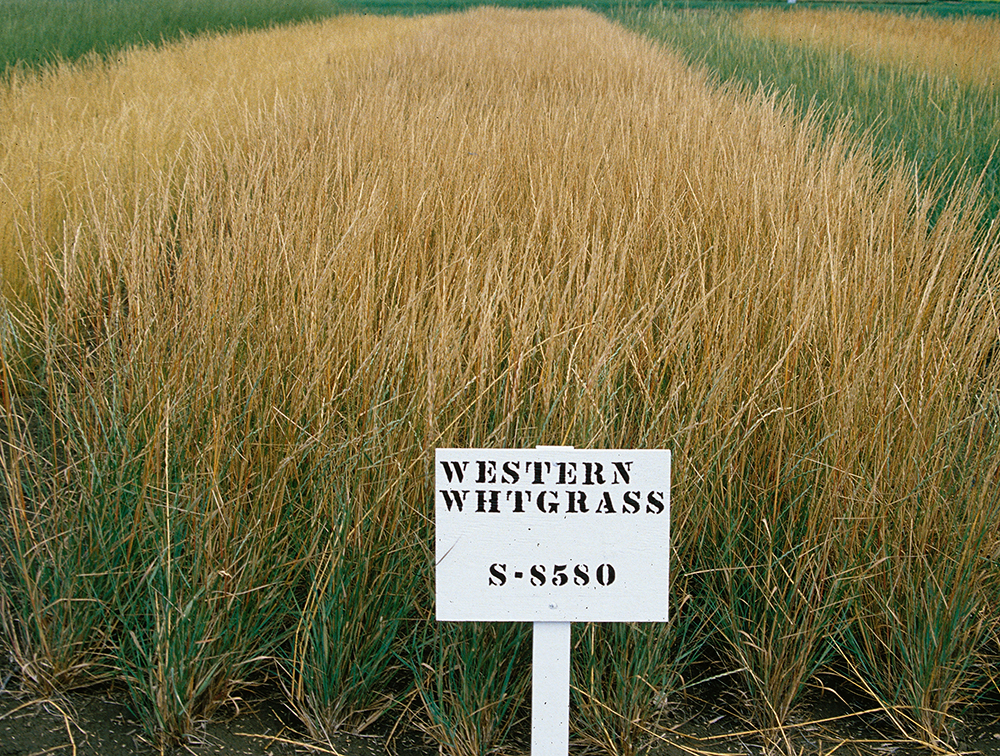
Western wheatgrass is a native cool-season perennial grass that grows from strong rhizomes. It is regularly found in patches mixed with other species in native plant communities. Smooth stems grow to 20 to 100 cm (8 to 39 in) tall and are very erect. The leaves are rigid, flat, 6 mm wide, blue-green with prominent veins. Leaves grow at about a 45 degree angle to the stem. Western wheatgrass plants are often seen growing without seedheads/stems.


Type

Native grass.


Origin

Mixed Grass Prairie of North America.


Longevity

Long lived.

Use

Pasture, hay, reclamation.


Optimal Time of Use

Spring, summer, fall. Cures well of the stem so is suitable for fall stockpiled grazing. Harvest for hay by heading for best quality.


Recovery After Use

Western wheatgrass should be allowed to reach 15 cm (6 in) of growth before grazing in spring. It usually responds favorably to rest rotation or deferred rotation grazing systems. Recovery can occur within 60-80 days in cultivars.

Palatability/Nutritional Value

Western wheatgrass is considered good forage and is palatable to livestock and wildlife. In June digestibility is 60% with crude protein around 14%. Digestibility on unharvested western wheatgrass remains the same through fall with crude protein levels dropping to between 7.5- 9.5%. Stockpiled regrowth does maintain high quality (11-16 % CP). Western wheatgrass provides nutritious winter pasture and hay.

Annual Precipitation min/max (mm)

300mm / 510mm


Drought Tolerance

Excellent tolerance. Plants will shut down, but will regrow when moisture returns.


Flooding Tolerance

Can stand up to 5 weeks of spring flooding.


Winter Hardiness

Excellent hardiness. Western wheatgrass’ cold hardiness is comparable to crested wheatgrass and Russian wildrye.

Soil Texture Preference

Suited to all soil textures but grows best on clay to loamy soils. Naturally found on moist to dry slopes and can often be found where water pools in the spring. Often found on solonetzic soils.


Erosion Control

Effective erosion control. However, full cover will take time as seedlings must first establish and then rhizomes spread.


Salinity Tolerance

Slight to moderate tolerance.


Acidity Tolerance

Not recommended for acidic soils.


Alkalinity Tolerance

High tolerance.

Seeds per kg

253,000 seeds/kg (115,000 seeds/lb)


Suggested Mixtures

Native species mixes; legumes and/or tame bunchgrasses for grazing; Western wheatgrass works well in mixtures but creeps aggressively so should be kept to a low percentage in a seed mix.


Ease of Establishment

Western wheatgrass is relatively easy to establish, but seedlings tend not to be very vigorous and stands can take several years to become fully established through rhizome development.


Competitiveness

Can be competitive as it becomes established, spreading mostly by rhizomes. The percentage in seed mixtures should be kept low to prevent western wheatgrass from dominating stands.


Management Considerations

A mixed stand helps reduce the chances of seeded western wheatgrass becoming sod-bound. Manage grazing for adequate recovery. Western wheatgrass works well in a stockpiled grazing system.

British Columbia Rangeland Seeding Manual, Saskatchewan Dryland Forage Species Adaptation Tool, AAFC Field Guide to Selected Native Forages, USDA Plants Database, Alberta Forage Manual, Manitoba Forage Adaptation and Comparison Guide

Western wheatgrass is not typically found in the native grassland communities in this region.

Western wheatgrass is not typically found in the native grassland communities in this region.

Western wheatgrass is found in native grassland communities in the Peace-Liard region, sometimes with slender wheatgrass, western porcupine grass and northern wheatgrass.

Timothy

General Description

Timothy is a widely adapted, cool season perennial bunchgrass. It is best adapted to cooler, higher rainfall regions or wetter areas. It is considered hardy and reliable, but does not tolerate drought well. Timothy persists in a stand long-term through self seeding and seedling establishment. 

Timothy roots are wide spreading, shallow and fibrous with heaviest concentration of roots within top 7.5 cm (3 in) of soil. Swollen bulbs or corms develop just below the surface and store nutrients for winter survival and regrowth after cutting or grazing. Timothy has strong tall stems up to 120 cm (47 in) tall. Leaves are hairless and rolled during the bud stage. They are relatively wide, up to 12 mm, and flat. The seed head is a spike of densely packed, bristle-like spikelets, each producing a tiny, dark brown seed. 


Type

Tame grass.


Origin

Europe. Most varieties used in Canada come from American breeders.


Longevity

At least 5 years to 10 years depending on the location and management. Within the Peace River Region, timothy is considered a very long-lived grass with stands 20 years old.

10+ years depending on the location and management.

Use

Pasture, hay. In the Peace River Region timothy is also used for stockpiled grazing due to its high adaptability in the region. There is a select timothy hay export and pet food market that continues to grow.

Pasture, hay, silage, stockpiled grazing. There is a select timothy hay export and pet food market that continues to grow.


Optimal Time of Use

Summer; some fall use soil zone dependant. Hay the first cut between the headed and blooming. Second cut of a lower yield may be taken or regrowth may be grazed. Timothy is often grazed early in summer for most livestock but graze after stem elongation. Growth slows later in the summer but can be lightly re-grazed. Once the plant is dormant, timothy stands can be grazed in late fall and winter, but it does not hold its feed quality.


Recovery After Use

Requires a minimum 60-80 days of recovery after use. Timothy responds best to a full season of rest in the black soil zone (used once). Leave at least 10 cm (4 in) of grassy residue to aid in regrowth. Timothy regrows slowly if cut or grazed in late summer. Because timothy is not sod producing, it is intolerant of grazing hoof damage. Fall grazing should be light as nutrient reserves are accumulated in the corms (root bulbs) for winter.

Leave at least 10 cm (4 in) of grassy residue to aid in regrowth. Timothy regrows slowly if cut or grazed in late summer. Because timothy is not sod producing, it is intolerant of grazing hoof damage. Fall grazing should be light as nutrient reserves are accumulated in the corms (root bulbs) for winter.

Palatability/Nutritional Value

If used early in the season before flowering, timothy has good quality, 11% crude protein, and 61% digestibility. Timothy pasture is very palatable in the vegetative stage. At later growth stages, quality and nutritional value decline rapidly. Overall, a highly palatable and preferred species for cattle and horses.

Annual Precipitation min/max (mm)

400mm / 1650mm


Drought Tolerance

Generally poor drought tolerance. Although some varieties have some drought hardiness, most timothy cannot tolerate short periods of moisture stress.


Flooding Tolerance

Withstands 2-5 weeks of spring flooding. There are differing views in the literature on its tolerance to flooding later in the growing season. Timothy does grow well on moister soils.


Winter Hardiness

Good to excellent tolerance. Winter hardiness is enhanced with adequate snow cover.

Soil Texture Preference

Timothy is well adapted for all soil textures when moisture is plentiful (Grey or Black soils).


Erosion Control

Moderate erosion control. Timothy is noted for use in wetland upland areas when seeded with other species.


Salinity Tolerance

Not tolerant.


Acidity Tolerance

High tolerance. Timothy tolerates soil pH as low as 4.5.


Alkalinity Tolerance

Low tolerance.

Seeds per kg

2,564,000 seeds/kg (1,163,000 seeds/lb)


Suggested Mixtures

Timothy is often grown as a pure stand for premium hay. It can be seeded in a mix with legumes such as alfalfa, alsike clover, red clover or birdsfoot trefoil. In the Peace River Region, timothy is usually include it in most mixes at 5-10% as it establishes very well in the low wet spots of the field.

Timothy is often grown as a pure stand for premium hay. It can be seeded in a mix with legumes such as alfalfa, alsike clover, red clover or birdsfoot trefoil.


Ease of Establishment

The small seeds of timothy must be seeded shallow for establishment. Timothy is relatively easy to establish early in the spring. Heat and drought will cause seedlings to die.


Competitiveness

Poor to moderate competitiveness while establishing so weeds must be managed. Timothy has moderate competitiveness once established. Timothy can co-exist with native species where it is well adapted, but it generally is not considered invasive.


Management Considerations

Drought tolerance is the major limitation with timothy. Timothy responds positively to fertilization. Allow timothy to drop seed occassionally to increase stand longevity. Timothy is best rotationally grazed but can be difficult to manage to not graze too early or during stem elongation and to consider that regrowth potential is low.

British Columbia Rangeland Seeding Manual, Saskatchewan Dryland Forage Species Adaptation Tool, USDA Plants Database, Manitoba Forage Adaptation and Comparison Guide, Alberta Forage Manual, Publication 30-OMAFRA

Timothy is adapted to the Sub-Boreal Spruce, Sub-Boreal Pine-Spruce and Interior Cedar-Hemlock zones. In the southern part of the Central Interior region, it is adapted to wetter parts of the Interior Douglas-fir zone and to irrigated and subirrigated areas in the Bunchgrass zone and drier parts of the Interior Douglas-fir zone.

Timothy is adapted to the wetter parts of the Interior Douglas-fir zone and the Interior Cedar-Hemlock zone, and to irrigated and subirrigated areas in the Bunchgrass, Ponderosa Pine zones and drier parts of the Interior Douglas-fir zone.

Some timothy stands managed for seed production in the Peace-Liard region have been established for 18 years or more.